Fresh violence has once again cast a dark shadow over Nigeria’s Northeast, as coordinated attacks on vulnerable rural communities along the border of Borno and Adamawa states have claimed the lives of at least 20 people. The latest incident, which unfolded between late Tuesday night and the early hours of Wednesday, highlights the persistent insecurity in the region and the growing challenges faced by both residents and security forces.
The affected communities, largely made up of farming settlements, sit in a corridor that has long been considered a fragile buffer zone between the two states. Over the years, these areas have experienced repeated incursions by armed groups due to their relative isolation and limited security presence. Despite ongoing military operations aimed at curbing insurgency, the region remains highly exposed to sudden and often devastating attacks.
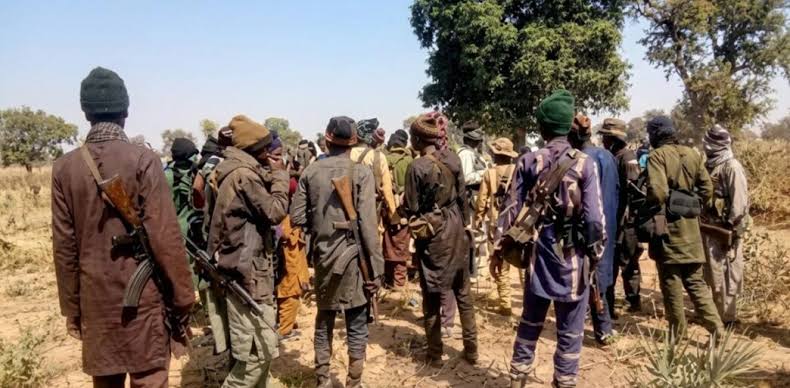
According to accounts from local sources and survivors, the attackers arrived under the cover of darkness, moving swiftly and with apparent coordination. They were reportedly armed and traveled in groups using motorcycles and vehicles, enabling them to navigate the terrain with ease. Local vigilante groups, who often serve as the first line of defense in these communities, were overwhelmed during the assault, leaving residents largely unprotected.
The violence was particularly intense in the Askira Uba axis, an area within Borno State that has increasingly become a hotspot for insurgent activity. Its proximity to forested zones and difficult terrain has made it a strategic location for armed groups seeking to establish movement routes and avoid detection. In this latest attack, multiple villages in and around this region were targeted, resulting in significant loss of life and property.
Read more on: Iran Reportedly Launches Attacks on Ships in Hormuz Strait
Reports indicate that at least 11 people were killed in one community within Borno, while another 9 fatalities were recorded in neighboring settlements across the border in Adamawa State. These figures are based on preliminary assessments, and there are concerns that the actual number of casualties could be higher as more information becomes available.
Beyond the tragic loss of life, the destruction left behind has further deepened the hardship faced by residents. Homes were set ablaze, with entire compounds reduced to ashes. Food storage facilities were also destroyed, wiping out supplies that families rely on for survival. Livestock, which serves as both a source of income and sustenance, was either stolen or killed during the attack.
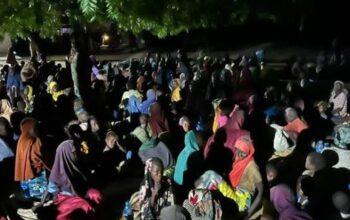
Survivors described scenes of panic and chaos as people fled into nearby bushes in search of safety. Many spent the night in the open, uncertain of when it would be safe to return. For communities that have already endured years of instability, such experiences continue to erode any sense of normalcy.
One local resident, who identified himself as a hunter involved in community defense efforts, recounted the events with visible distress. He explained that the нападение began when most people were preparing to rest for the night. By the time security forces arrived, the attackers had already retreated, disappearing into surrounding areas that are difficult to access.
Read more on: Nigeria Reports Fresh COVID-19 Case Years After Pandemic
The pattern of these attacks has raised renewed concerns among security analysts and policymakers. There is a growing belief that insurgent groups, particularly the Islamic State West Africa Province, are intensifying their operations in this border corridor as part of a broader strategy. By targeting rural communities, they are not only spreading fear but also attempting to establish influence over territories that can be used for logistical purposes.
These areas are often seen as critical for maintaining supply lines and collecting resources, including food and taxes imposed on local populations. The ability to move between Borno and Adamawa provides strategic flexibility, making it easier for such groups to evade military pressure and sustain their activities.
The latest нападение comes at a time when concerns about security in the Northeast are already high. Recent reports have indicated a surge in violence across the BAY states, which include Borno, Adamawa, and Yobe. Data from earlier in the month suggested that hundreds of people had been killed or injured in various incidents, underscoring the scale of the challenge.
The situation has not gone unnoticed at the national level. News of the attacks quickly reached the National Assembly, where it prompted a strong reaction from lawmakers. During a session in the Senate, the issue was brought to the forefront, with representatives from affected areas calling for urgent action.
Read more on: President Tinubu Ousts Finance Minister and 1 Other, Appoints New Replacements
Senator Tahir Monguno, who represents Borno North, led discussions on the need to address the growing insecurity. He emphasized that attacks on both communities and military formations have become increasingly frequent, highlighting the urgency of adopting more effective measures.
Among the key concerns raised was the plight of individuals who have been abducted by insurgent groups. Reports indicate that hundreds of people, including women and children, remain in captivity following previous attacks. The Senate called on the federal government to intensify efforts to secure their release, stressing the importance of protecting vulnerable populations.
In addition to rescue operations, there were calls for a broader review of current strategies. Some lawmakers suggested that more decisive actions may be required if meaningful progress is to be achieved. One proposal that drew significant attention was the idea of reconsidering political activities in frontline states if security conditions do not improve within a specified timeframe.
While such suggestions reflect the level of frustration among policymakers, they also point to the complexity of balancing security concerns with democratic processes. Any decision along these lines would require careful consideration of its implications.
Another key demand from the Senate was the deployment of additional military resources to the affected areas. Lawmakers argued that strengthening the presence of security forces along the Borno Adamawa border could help deter future attacks and provide reassurance to residents.
Read more on: Former President Jonathan Responds After Atiku’s Criticism
Despite these calls, the challenges on the ground remain significant. The terrain in many parts of the Northeast is difficult to navigate, with dense vegetation and limited infrastructure making it harder for security forces to maintain constant surveillance. This creates opportunities for armed groups to exploit gaps and launch attacks with little warning.
The humanitarian impact of the нападение is also becoming increasingly evident. Displacement continues to be a major issue, with families forced to leave their homes in search of safer locations. Many end up in temporary shelters or camps, where access to basic services such as food, water, and healthcare is often limited.
Aid organizations have expressed concern about the cumulative effect of repeated displacements. Each new wave of violence adds to the strain on already overstretched resources, making it more difficult to provide adequate support to those in need. The disruption of farming activities is particularly worrying, as it threatens to undermine food security in the region.
With the planting season approaching, many farmers are reluctant to return to their fields due to fear of further attacks. This hesitation could lead to reduced agricultural output, increasing the risk of food shortages in the months ahead. Projections from international agencies suggest that millions of people in the Northeast could face serious food insecurity if the situation does not improve.
The economic consequences of continued instability are also significant. Rural communities rely heavily on agriculture and local trade, both of which are disrupted by insecurity. As livelihoods are affected, poverty levels are likely to rise, creating additional challenges for recovery and development.
Read more on: FG Slams 13-Count Treason Charges on Alleged Coup Plotters
For residents of the affected areas, the immediate concern is safety. The uncertainty surrounding when or where the next attack might occur has created a climate of fear that permeates daily life. Children are unable to attend school regularly, and families struggle to plan for the future.
At the same time, there is a growing sense of resilience among communities that have endured years of hardship. Local initiatives, including vigilante groups and community support networks, continue to play a role in providing some level of protection and assistance. However, these efforts are often limited by resources and cannot replace the need for a comprehensive security response.
The latest нападение serves as a reminder of the ongoing challenges in addressing insurgency in the Northeast. While military operations have achieved some successes, the persistence of attacks indicates that more needs to be done to address the root causes and adapt strategies to evolving threats.
As the nation reflects on this latest tragedy, attention is likely to remain focused on how best to protect vulnerable communities and restore stability to the region. The coming weeks may prove critical in determining whether recent calls for stronger action translate into tangible changes on the ground.
For now, the people of Borno and Adamawa continue to cope with the aftermath of another devastating attack, mourning those who lost their lives and hoping for a future where such incidents become a thing of the past.
Read more on: