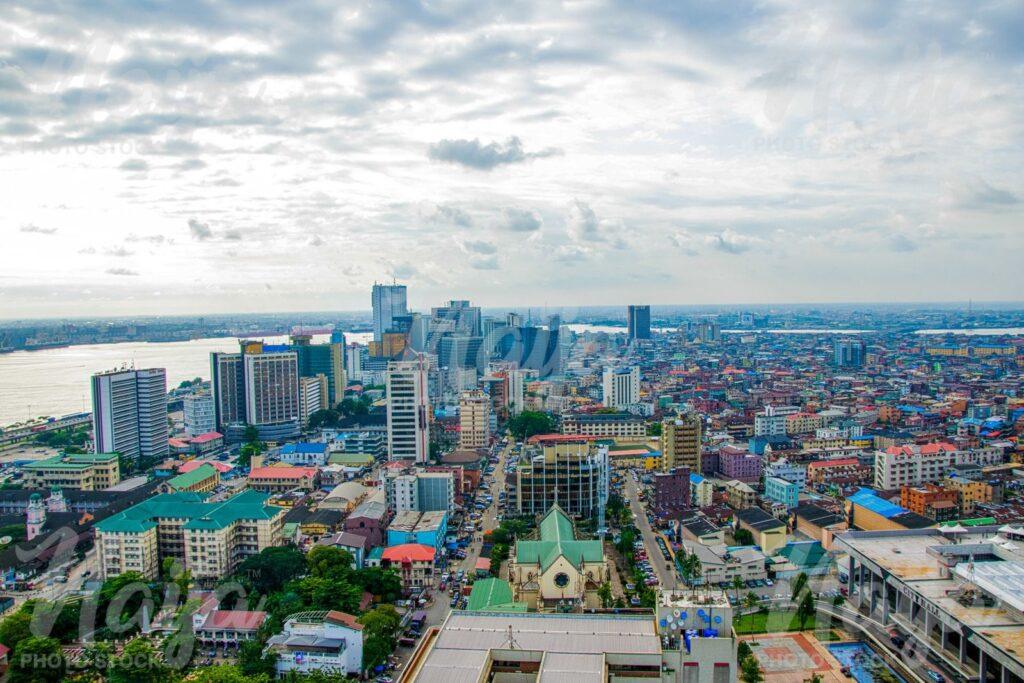
If you find yourself standing by the Atlantic at Bar Beach or inching through traffic on the Third Mainland Bridge, it is easy to see Lagos as nothing more than a fast-paced, ever-expanding megacity. The noise, the movement, the yellow buses weaving through traffic, the constant rush of people trying to get somewhere all create the image of a modern African giant that never sleeps. Yet beneath this vibrant surface lies a deeper story, one that many people pass by without ever pausing to consider. Even the name “Lagos,” which is spoken casually every day, carries a history that stretches far beyond Nigeria’s borders.
Long before European explorers arrived along the West African coast, the land we now call Lagos was already home to indigenous communities with their own identity, language, and way of life. The earliest settlers were the Awori people, a subgroup of the Yoruba ethnic group. According to oral traditions, their migration was led by a hunter known as Ogunfunminire, who moved with his people from the interior regions toward the coast. Their journey eventually brought them to the islands and surrounding areas that would later become one of the most important cities in Africa.
When the Awori first settled there, they did not call the place Lagos. Instead, they used the name “Oko,” a Yoruba word that translates to farm or settlement. This name reflected the simplicity of life at the time. The land was fertile, the environment supported agriculture, and the people lived in a way that was closely tied to nature. “Oko” was not just a name but a description of what the place represented to its inhabitants. It was a place of growth, sustenance, and community.
Read more on:8 Nigerian Foods That Can Help You Lose Weight Naturally
As time passed, the political landscape of the region began to change. In the sixteenth century, the powerful Benin Empire expanded its influence westward. The Oba of Benin extended control over the area, transforming it into a strategic outpost. With this shift came a new name. The Benin people called the settlement “Eko,” a word from the Edo language meaning war camp. This was not just a casual renaming. It reflected the role the area now played under Benin authority. It became a place of military importance, a center for administration, and a symbol of imperial reach.
Interestingly, while the name “Eko” originated during this period of conquest and control, it did not fade away with time. Instead, it became deeply rooted in local identity. Even today, many Lagosians still refer to the city as Eko, especially in cultural expressions, music, and everyday speech. It is a name that carries pride and a sense of belonging, a reminder of a past that predates colonial influence.
The story takes another turn in the late fifteenth century, when European explorers began arriving along the West African coast. In 1472, a Portuguese explorer named Rui de Sequeira reached the area. Like many explorers of his time, he was navigating unfamiliar waters and documenting new territories. When he encountered the network of lagoons and waterways that characterized the region, he saw something that reminded him of home.
There are a couple of explanations for how the name “Lagos” came into use. One widely accepted theory is based on geography. In Portuguese, the word “lagos” means lakes. The area’s landscape, filled with interconnected lagoons and water bodies, likely inspired the name. To someone arriving from Europe, the resemblance would have been striking enough to justify such a label.
Read more on: Meet Nigeria’s First Space Traveler, Chief Owolabi Salis
Another possibility is tied to familiarity rather than description. Portugal already had a town named Lagos, located in the Algarve region. This town served as a key departure point for many maritime expeditions during the Age of Discovery. It was common practice for explorers to name newly encountered places after familiar locations back home. Doing so created a sense of continuity and ownership, even in distant lands. It is therefore quite likely that the name “Lagos” was simply borrowed and applied to this new environment.
Regardless of which explanation one chooses to believe, the result was the same. The name “Lagos” began to appear on European maps and gradually gained prominence. Over time, it became the official name used in trade, diplomacy, and later, colonial administration.
The rise of Lagos as a major port brought both growth and hardship. By the eighteenth century, the city had become deeply involved in the transatlantic slave trade. Portuguese traders, followed by other European powers, established strong commercial ties in the region. Lagos emerged as one of the key points where enslaved Africans were transported across the Atlantic.
This period marked a dark chapter in the city’s history. The wealth generated from the slave trade contributed to the expansion and influence of local rulers, particularly the Obas of Lagos. However, it also tied the city to a system that caused immense suffering and displacement. The name “Lagos,” which had been introduced by foreign explorers, became associated with this global network of exploitation.
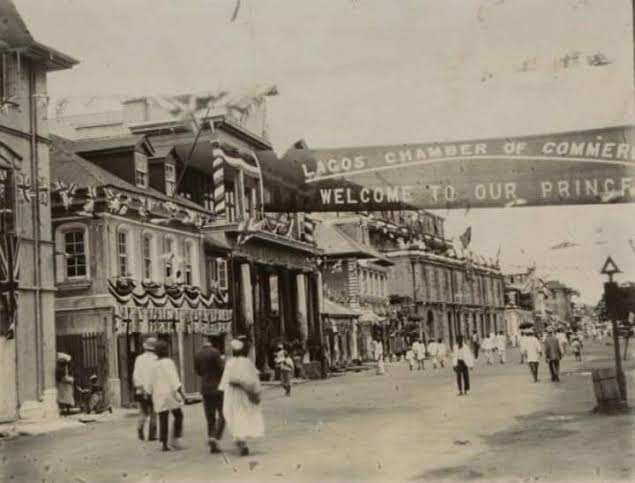
Eventually, the British turned their attention to the region. In the mid nineteenth century, they intervened under the pretext of suppressing the slave trade, even though they had previously been involved in it themselves. Through a combination of military action and political maneuvering, Lagos was annexed by the British in 1861. From that point onward, the name “Lagos” was firmly established as the official designation of the city.
Read more on: 7 African Countries Named After Historical Figures
Colonial rule brought further changes. Infrastructure developed, trade expanded, and Lagos grew into an administrative and commercial center. The name remained unchanged, even after Nigeria gained independence in 1960. Today, Lagos stands as one of the largest cities in the world, a hub of finance, culture, and innovation. Yet its name still reflects a history shaped by multiple influences.
What makes Lagos unique is the way these different layers of history continue to coexist. The Awori origins, the Benin influence, and the Portuguese naming all form part of the city’s identity. While “Lagos” is the official name recognized globally, “Eko” remains deeply embedded in the hearts of the people. It appears in songs, slogans, and everyday language, serving as a bridge between the past and the present.
Understanding this history is important because it reveals the true nature of Lagos as a meeting point of cultures. It shows that the city has always been more than just a geographical location. It has been a space where different peoples, ideas, and influences come together. Long before the concept of globalization became popular, Lagos was already a place where local and foreign elements intersected.
Read more on: 12 Common Daily Mistakes That Can Make You Look Older
The names themselves tell a story. “Oko” speaks of humble beginnings and a connection to the land. “Eko” reflects a period of power, control, and strategic importance. “Lagos” represents a broader global context, one shaped by exploration, trade, and colonization. Each name captures a different moment in time, and together they form a narrative that is both complex and fascinating.
Even in modern times, the debate over what to call the city continues in subtle ways. Some people prefer “Eko” because it feels more authentic and rooted in local culture. Others use “Lagos” without a second thought, as it is the name recognized in official documents and international discourse. In reality, both names are valid, and each carries its own meaning.
The next time you hear someone say “Eko o ni baje,” which means Lagos will not spoil, it takes on a deeper significance. It is not just a statement of hope for the future of the city. It is also a nod to its past, an acknowledgment of the resilience and continuity that have defined it for centuries.
Read more on: Early Warning Signs of Diabetes Many People Overlook
Lagos is more than a name on a map. It is a story that has been shaped by migration, conquest, exploration, and survival. From a simple settlement called Oko to a war camp known as Eko and finally to a global city named Lagos, its journey reflects the broader history of the region and the world.
Knowing this history does not change the city itself, but it changes how one sees it. It adds depth to the everyday experience of living in or visiting Lagos. It reminds us that behind every name lies a story, and in the case of Lagos, that story is as dynamic and layered as the city itself.
Read more on: