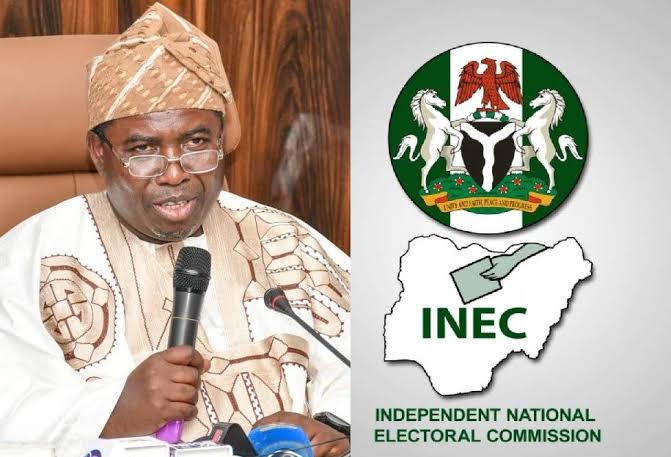
The Independent National Electoral Commission has officially confirmed Saturday, June 20, 2026 as the date for a series of important bye-elections that will take place across six states in Nigeria. The announcement was made by the INEC Chairman, Professor Joash Amupitan, Senior Advocate of Nigeria, during a press briefing that also featured a key leadership development within the commission.
The scheduled elections will cover multiple legislative vacancies at both national and state levels, making the exercise one of the most significant off-cycle electoral events of the year. In addition to the election timetable, INEC also used the occasion to formally introduce a newly appointed National Commissioner, marking another step in the ongoing restructuring of the electoral body’s leadership framework.
A Combined Electoral Exercise Across Multiple States
According to the commission, the bye-elections have been strategically fixed to hold on the same day as the Ekiti State Governorship election, a major off-cycle poll already on the electoral calendar. By aligning these exercises, INEC aims to streamline operations, reduce logistical costs, and improve coordination across its field offices.
The June 20 electoral exercise will cover a wide geographical spread, with six legislative seats set to be contested across different parts of the country. These include four senatorial districts, one seat in the House of Representatives, and one seat in a state House of Assembly.
The affected senatorial districts are located in Enugu State, Nasarawa State, Rivers State, and Ondo State. In addition, voters in Kano State will be called upon to elect a new member of the House of Representatives, while Kebbi State will conduct a bye-election to fill a vacancy in its State House of Assembly.
INEC described the upcoming polls as crucial to restoring full representation to the affected constituencies and ensuring that citizens are not left without proper legislative voice at both federal and state levels.
Read more on: Atiku and Amaechi Meet David Mark as INEC Confirms ADC Leadership
What Led to the Vacancies
The commission also provided clarity on the circumstances that led to the vacant positions, particularly in the Senate, where all four affected seats have drawn public attention due to the prominence of the lawmakers involved.
In Ondo State, the senatorial seat became vacant following the resignation of Senator Jimoh Ibrahim, who stepped down after his appointment as Nigeria’s Permanent Representative to the United Nations. His departure created a significant political opening in the state, necessitating a fresh election to select his successor.
In Enugu State, the vacancy arose following the passing of Senator Okey Ezea, whose death left a notable gap in the state’s representation at the national level. His contributions in the Senate had been widely acknowledged, making the upcoming election one of considerable public interest.
Similarly, in Nasarawa State, the seat became vacant after the death of Senator Godiya Akwashika, while in Rivers State, the passing of Senator Barinada Mpigi created another legislative vacuum that now requires electoral resolution.
These developments have combined to make the June 20 bye-elections particularly significant, not only for the affected states but also for the broader national political landscape.
Read more on: Oil Prices Surge to Four-Year High as Trump Weighs Military Action Against Iran
INEC’s Leadership Strengthened With New Commissioner
Alongside the announcement of the election timetable, INEC also formally welcomed a new National Commissioner into its leadership structure. The induction ceremony took place at the commission’s headquarters in Abuja and was described as both brief and symbolic, reflecting continuity and institutional renewal within the electoral body.
The newly appointed commissioner is Rear Admiral Jamila Malafa (retired), a seasoned professional with a diverse background spanning military service, legal administration, and electoral logistics.
In his remarks during the ceremony, INEC Chairman Professor Amupitan described her appointment as a valuable addition to the commission’s leadership team. He emphasized that her experience brings a rare combination of discipline, technical knowledge, and administrative expertise that will strengthen INEC’s operational capacity.
A Distinguished Career in Service
Rear Admiral Jamila Malafa’s profile reflects decades of service in different capacities within Nigeria’s public institutions. As a retired senior officer of the Nigerian Navy, she brings with her extensive experience in military operations and strategic planning.
Beyond her military background, she also served in a key legal capacity as Director of Legal Services in the Nigerian Navy, where she was responsible for overseeing legal compliance, advisory functions, and institutional governance matters within the naval structure.
Her connection to the electoral process is not entirely new. Before her appointment as National Commissioner, she previously worked with INEC in the area of logistics support, where she contributed to operational planning and field coordination during election periods. This prior exposure to the commission’s internal processes is expected to ease her transition into her new role.
Read more on: Lagos 2027: Jandor Withdraws From APC Governorship Contest
INEC Under New Leadership Direction
The appointment of Rear Admiral Malafa comes at a time when INEC is undergoing a gradual leadership transition. Professor Joash Amupitan assumed office as Chairman on October 23, 2025, taking over from Professor Mahmood Yakubu, who had served for several years.
Since his assumption of office, Professor Amupitan has repeatedly emphasized the importance of transparency, institutional independence, and improved electoral integrity. His administration has also focused on strengthening internal systems, improving logistics, and ensuring that elections are conducted in a more efficient and credible manner.
The addition of new leadership figures such as Rear Admiral Malafa is seen as part of a broader effort to reinforce the commission’s capacity ahead of a busy electoral cycle that includes both bye-elections and governorship contests in several states.
Political Parties Begin Preparations
With the election date now officially announced, political parties across the affected states are expected to intensify their preparations. Party leaderships will begin internal consultations, screening processes, and primaries to select candidates who will contest the vacant positions.
INEC has also reminded political parties to adhere strictly to electoral guidelines and timelines, particularly with regard to candidate nominations, campaign regulations, and compliance with campaign finance rules.
Analysts believe that the convergence of multiple elections on the same day will test the preparedness of both political actors and electoral officials, especially in terms of logistics, security coordination, and voter turnout management.
Read more on: 2027 Elections: ADC and PDP Await Key Supreme Court Ruling Today
Voters Urged to Participate and Verify Details
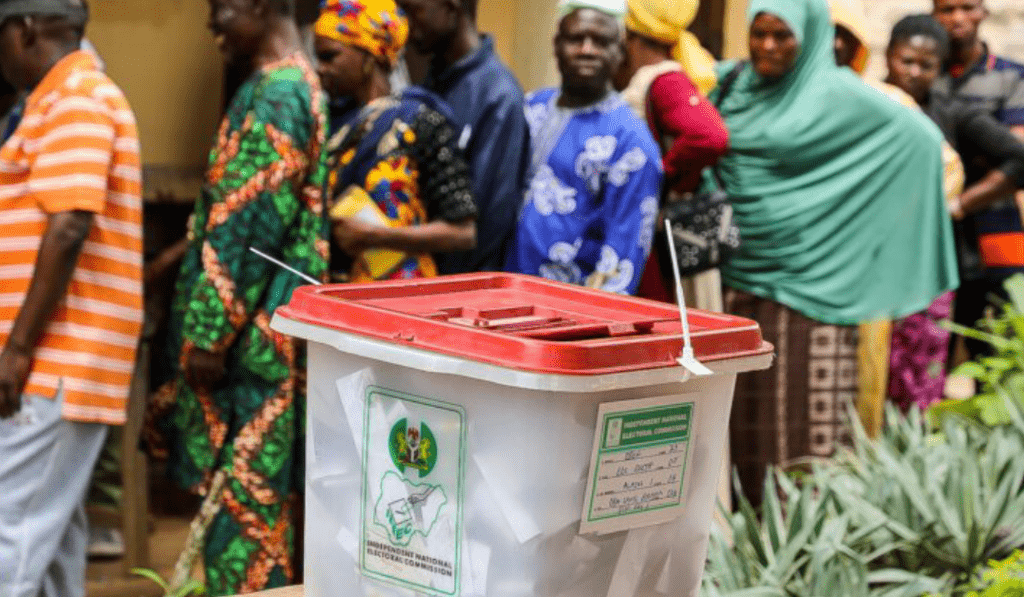
INEC has called on eligible voters in the affected constituencies to ensure that they are fully prepared for the upcoming elections. This includes verifying their voter registration details, locating their polling units, and staying informed about official guidelines released by the commission.
The electoral body stressed that voter participation remains central to the success of any democratic process and encouraged citizens to take an active role in shaping their representation at both the state and federal levels.
A Critical Test Ahead of National Elections
Although the June 20 bye-elections and Ekiti governorship poll are off-cycle events, they are widely viewed as important indicators of political sentiment ahead of future national elections. The outcomes are expected to provide insight into party strength, voter behavior, and regional political dynamics.
Observers also note that the ability of INEC to successfully manage multiple elections on the same day will serve as an important measure of the commission’s operational readiness under its new leadership structure.
Read more on: Outrage in Ibadan After Motorcyclist Dies in Police Encounter, Two Officers Arrested
Conclusion
As preparations begin in earnest, attention now shifts to how political parties, security agencies, and electoral officials will coordinate efforts to ensure a smooth and credible electoral process on June 20.
With several senatorial districts, a House of Representatives seat, a state assembly position, and a governorship contest all scheduled for the same day, the coming weeks will be crucial in shaping the tone and outcome of this important electoral exercise.
For INEC, the challenge will be to deliver elections that are transparent, efficient, and widely accepted, while also reinforcing public confidence in Nigeria’s democratic process under its evolving leadership.
Read more on:
- President Tinubu Appoints Bianca Odumegwu Ojukwu as Nigeria’s Foreign Affairs Minister
- Tinubu Replaces NMDPRA Chief, Nominates Rabiu Umar to Lead Reforms
- Delta Police Officer Faces Murder Charge After Fatal Shooting of Suspect in Custody in Effurun
- US Reviews New Iranian Peace Proposal Amid Ongoing Tensions