A wave of grief and fear has gripped communities in Taraba State following a series of violent attacks carried out by suspected armed militias in Karim Lamido Local Government Area. Over the past several days, multiple rural settlements have come under coordinated assault, leading to the loss of many lives, injuries to several residents, and the displacement of hundreds of people who have fled their homes in search of safety.
What began as a seemingly isolated incident has quickly escalated into a broader security crisis, leaving entire communities in distress and raising serious concerns about the safety of lives and livelihoods in the area.
According to local accounts, the violence first erupted in Didango village late last week under tragic circumstances. A group of young men had gathered at a local viewing center to watch an English Premier League match, an activity that is common in many rural communities where football serves as a source of relaxation and unity. After the match ended, the group dispersed and began heading home, unaware of the danger that lay ahead.
Along their route, they were ambushed by armed men believed to be members of a militia group. Two of the youths were shot and killed on the spot, plunging the community into immediate mourning and panic. Residents described the attack as sudden and devastating, with no warning signs prior to the incident.
In the days that followed, the situation deteriorated rapidly. The attackers did not stop at Didango but extended their operations into nearby communities including Gaita, Loba, and Lewatha. Witnesses reported that the assaults appeared organized and deliberate, with the attackers targeting vulnerable individuals such as farmers returning from their fields and residents going about their daily activities.
Read more on: Troops Kill Over 50 Terrorists, Eliminate Top ISWAP Shura Council Member
One resident recounted how the violence spread, explaining that the attackers moved from one village to another, shooting and attacking people indiscriminately. Several individuals sustained serious injuries, while others lost their lives in the chaos. Fear quickly spread across the region as news of the attacks reached surrounding communities.
Another resident from Mayo Gauro, identified as Dauda Bulus, stated that the armed group appeared to be operating from a nearby settlement and was carrying out coordinated movements across the area. He also confirmed that an attempted attack on Gurum village near the Kodai axis on the night of June 2 was resisted by local vigilante groups and community members, who mobilized quickly to defend their homes. Their efforts reportedly prevented further casualties in that particular instance, although the overall situation remains tense.
The impact of the attacks has extended beyond immediate casualties, creating a growing humanitarian crisis. Karim Lamido is largely dependent on farming and livestock for survival, and the ongoing violence has severely disrupted these activities. Many farmers have abandoned their farmlands out of fear, leaving crops unattended and threatening future harvests.
A local resident, Abubakar Adamu, expressed concern about the long term implications of the crisis, noting that repeated attacks during critical farming periods could lead to food shortages and economic hardship. He explained that when people are unable to access their farms, their primary source of income and sustenance is lost, which could result in widespread hunger in the coming months.
Read more on: Cholera Outbreak Hits Borno, 39 Dead and Thousands Infected
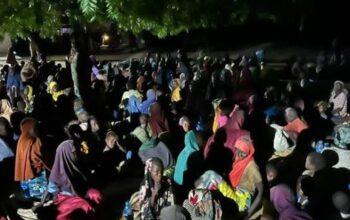
As the attacks intensified, many residents fled their homes, seeking refuge in nearby towns and safer communities. Areas such as Mutun Daya, Bambur Zailani, Andami, and Mayo Gauri have reportedly received large numbers of displaced persons. These individuals are said to be living in difficult conditions, lacking access to basic necessities such as shelter, clean water, and adequate food.
The crisis has drawn attention at the national level, with lawmakers raising concerns about the deteriorating security situation. During a plenary session on June 3, a motion was presented highlighting the scale of the violence and its impact on local communities. The motion pointed to ongoing clashes between different groups in the area, as well as the influence of armed elements operating across state borders, which have compounded the insecurity.
Local authorities have acknowledged the attacks but say assessments are still ongoing. The Chairperson of Karim Lamido Local Government Council, Virginia Baba Bambur, confirmed that violent incidents had occurred but stated that a verified casualty figure could not yet be provided. She assured residents that efforts are being made in collaboration with traditional leaders and security agencies to restore calm.
Read more on: Gunmen Kidnap Ex Power Minister Adelabu’s Sister and Her Twin Sons in Ibadan
Similarly, the Taraba State Police Command confirmed awareness of the situation. The command’s spokesperson explained that communication challenges have made it difficult to obtain immediate and accurate reports from officers on the ground, which has delayed the release of confirmed figures regarding casualties and injuries.
The renewed violence represents a major setback for earlier peace efforts in the region. In December 2025, community leaders and stakeholders had reached a peace agreement aimed at ending hostilities and promoting coexistence among different groups. A peace and reconciliation committee was also established to support this initiative. However, reports of continued attacks earlier this year had already raised doubts about the effectiveness of the agreement.
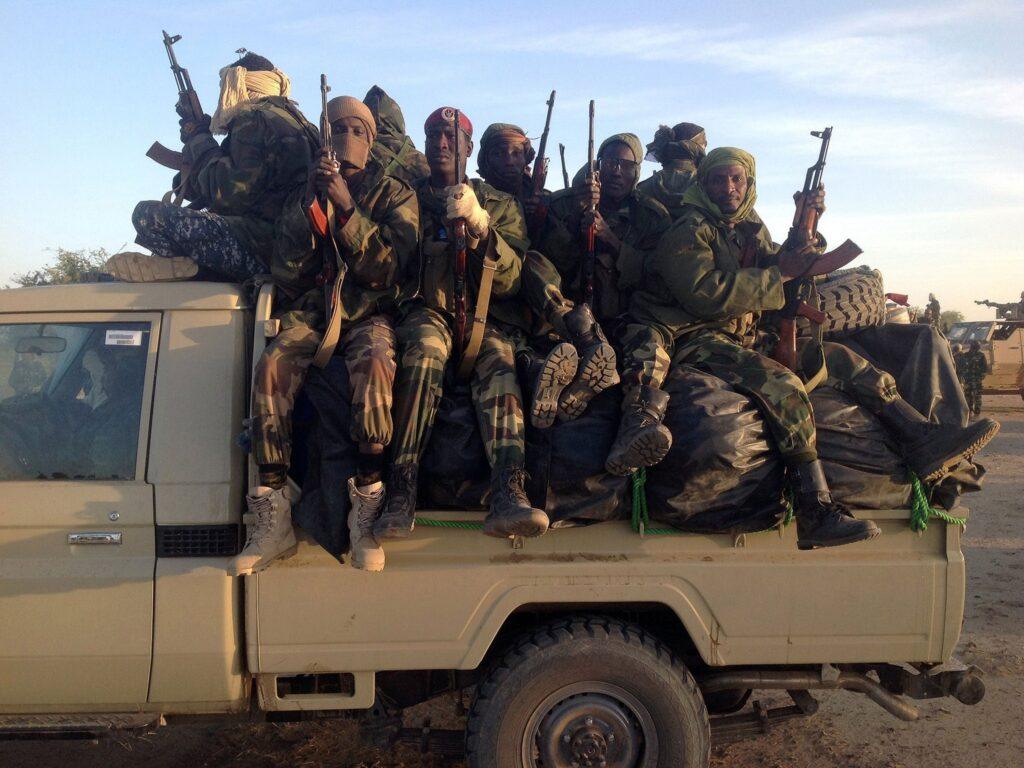
With the latest escalation, calls are growing louder for urgent intervention by federal authorities and security forces. Residents are appealing for increased deployment of security personnel to protect lives and restore confidence in the affected communities.
As families mourn their loved ones and displaced residents struggle to cope with their new reality, the situation in Karim Lamido remains deeply troubling. There is an urgent need for both humanitarian assistance and decisive security action to prevent further loss of life and to help affected communities begin the process of recovery.
Read more on: