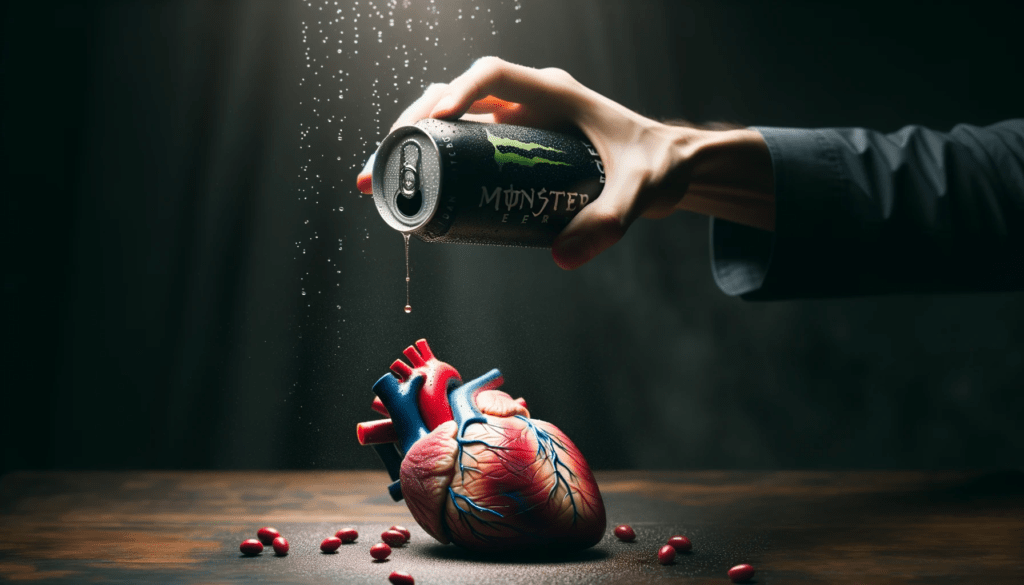
In modern society, energy drinks have become almost inseparable from busy lifestyles. They are widely consumed by students trying to stay awake through long study nights, professionals battling tight deadlines, athletes pushing through intense workouts, and even partygoers looking for an extra burst of stamina. Marketed as quick solutions for fatigue, they promise instant alertness, sharper focus, and improved performance within minutes.
However, behind the attractive packaging, sweet taste, and bold advertising lies a powerful combination of stimulants that can place unexpected stress on the body, especially the heart. While occasional consumption may not immediately cause visible harm, frequent or excessive intake introduces a series of physiological effects that can quietly strain the cardiovascular system over time.
The Caffeine Surge and Its Effect on Blood Pressure
One of the main components of energy drinks is caffeine, but the quantity found in these beverages is often significantly higher than what is contained in everyday sources like coffee or tea. A single can can carry between 200 milligrams and 400 milligrams of caffeine, which may equal or even exceed two to four cups of coffee consumed at once.
When such a large dose enters the system quickly, it triggers a strong release of adrenaline. This sudden hormonal response causes blood vessels to tighten and the heart to beat faster than normal. As a result, blood pressure rises sharply within a short period of time.
Although the body can usually recover from a one off spike, repeated exposure to these sudden increases forces the heart to work harder than it should. Over time, this pattern may contribute to sustained high blood pressure, reduced elasticity in the arteries, and an overall increase in cardiovascular strain.
Read more on: Everyday Habits That Help Prevent and Manage Hypertension Naturally
Irregular Heart Rhythms and Electrical Disruption
Beyond blood pressure changes, energy drinks can also affect the electrical system that regulates heartbeats. The heart relies on a carefully balanced electrical cycle to maintain a steady rhythm, but high levels of stimulants can interfere with this process.
Research has shown that excessive consumption may lead to a condition where the heart takes longer than normal to reset between beats. This delay, often referred to in medical discussions as QT interval changes, can increase the risk of irregular heart rhythms.
When the heart’s electrical activity becomes unstable, it may result in palpitations, skipped beats, or rapid fluttering sensations. In more severe situations, these irregular rhythms can escalate into dangerous conditions that impair the heart’s ability to pump blood effectively. While such extreme outcomes are not common, they become more likely in individuals who regularly consume large amounts of energy drinks or combine them with other stimulants.
The Role of Added Ingredients and Hidden Stimulants
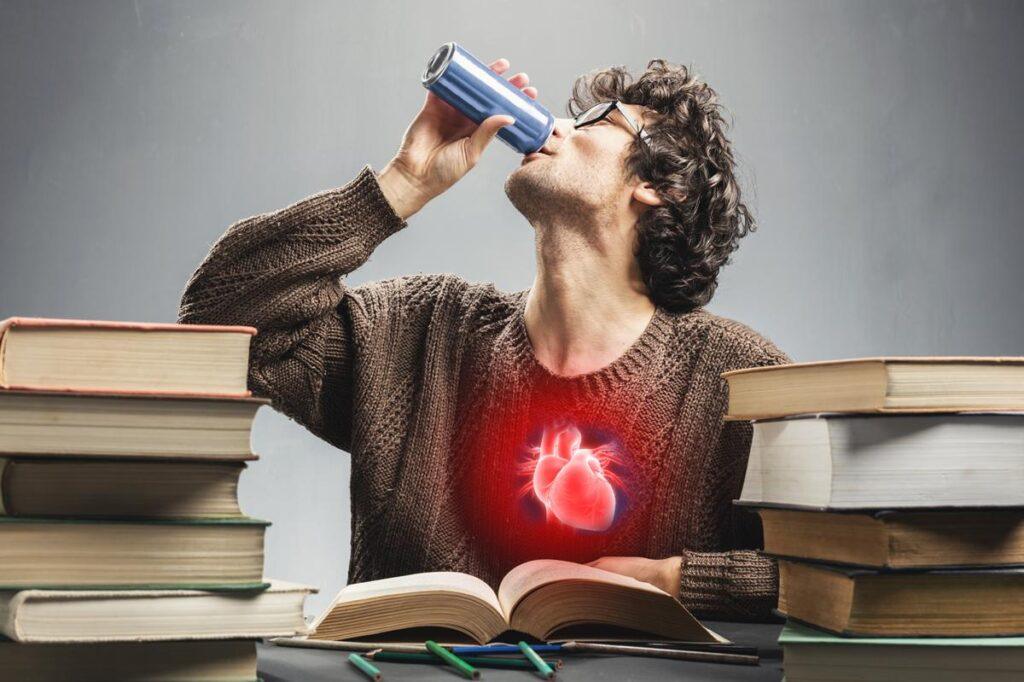
Energy drinks are not just caffeine in liquid form. They often contain additional ingredients such as guarana, taurine, ginseng, and various amino acid blends. While these compounds are not necessarily harmful on their own in natural dietary amounts, their concentrated and synthetic use in energy drinks changes how the body responds to caffeine.
Guarana, for example, naturally contains caffeine, which means the total stimulant content in a drink may be higher than what is clearly stated on the label. This can lead consumers to unknowingly consume more caffeine than they intend.
Taurine and similar compounds are believed to influence muscle and nerve function. When combined with high levels of caffeine, they may alter how calcium is regulated in heart cells, potentially increasing sensitivity in cardiac tissue. This interaction can place additional strain on the heart, especially when consumed frequently or in large quantities.
Read more on: The Hidden Risks of Taking Painkillers Too Often
Effects on Blood Thickness and Circulation
Another growing concern in cardiovascular research is the way energy drinks may influence blood behavior shortly after consumption. Some studies suggest that these beverages can make platelets more active, meaning they are more likely to stick together.
When blood becomes more prone to clotting while blood vessels are simultaneously narrowed due to caffeine, circulation becomes less efficient. This combination may slightly increase the risk of blockages forming in small vessels, which in rare cases can contribute to serious conditions such as stroke or heart attack, particularly in individuals with underlying health issues.
Energy Drinks and Alcohol: A Risky Combination
In social and nightlife settings, it is common for energy drinks to be mixed with alcohol. This combination is particularly concerning because it creates a misleading effect on the body.
Alcohol naturally slows down the nervous system and causes fatigue, while energy drinks temporarily mask that feeling of tiredness. This means a person may feel more alert than they actually are, leading them to drink more alcohol than their body can safely handle.
The result is a situation where the heart is dealing with two opposing forces at the same time: stimulation from caffeine and suppression from alcohol. This imbalance can place the cardiovascular system under prolonged stress and increase the likelihood of dangerous health incidents, especially in extreme cases of overconsumption.
Read more on: 5 Science-Backed Health Benefits of Ginger
Comparing Energy Drinks with Coffee
Although both coffee and energy drinks contain caffeine, the difference lies in concentration and additional ingredients. Coffee typically provides a moderate dose of caffeine with minimal additives, while energy drinks often combine higher caffeine levels with sugars and other stimulants.
Energy drinks can also contain very high sugar content, which contributes to inflammation and energy crashes after the initial boost wears off. In contrast, plain coffee does not usually carry the same level of added metabolic strain unless sugar or syrups are introduced.
This combination of high caffeine, added stimulants, and sugar makes energy drinks more intense and potentially more stressful for the cardiovascular system when consumed regularly.
Warning Signs That Should Not Be Ignored
The body often sends clear signals when it is under too much stress from stimulants. Frequent energy drink consumers should pay attention to symptoms such as a racing or irregular heartbeat, feelings of dizziness, unexplained shortness of breath, or chest discomfort.
While some of these symptoms may be mild and temporary, they should never be ignored if they occur repeatedly or intensify over time. They may indicate that the heart is working harder than it should and may require medical attention.
Read more on: What Really Happens When You Eat Unwashed Fruits With Pesticide Residue
Healthier Ways to Maintain Energy and Focus
For individuals looking to reduce reliance on energy drinks, there are several safer alternatives that support both mental alertness and long term heart health. Simple hydration can significantly improve energy levels, as dehydration is one of the most common causes of fatigue.
Natural sources of caffeine such as green tea or matcha offer a gentler stimulation because they contain compounds that slow the release of caffeine in the body, resulting in smoother and longer lasting focus without sudden spikes.
In addition, short rest periods such as brief power naps can help restore mental clarity and reduce stress hormones, allowing the body to recover naturally without chemical stimulation.
Final Perspective
Energy drinks may appear harmless and convenient, but their impact on the body is more complex than many consumers realize. When used occasionally and in moderation, they may provide temporary alertness. However, frequent use, especially in high quantities, can gradually place pressure on the heart and disrupt normal cardiovascular function.
Understanding how these drinks work inside the body helps individuals make more informed choices about their daily energy habits and long term health.
Read more on: