Across Africa, a country’s name carries deep meaning. It reflects history, culture, and a sense of belonging that goes far beyond geography. During the colonial era, many African nations were assigned names by European powers, often based on resources, locations, or colonial figures. These names rarely reflected the identity, language, or heritage of the people who lived there.
When independence movements swept across the continent in the mid to late twentieth century, reclaiming political power was only part of the journey. Many nations also chose to redefine themselves by adopting new names that honored their history, culture, and indigenous roots. These changes were powerful statements of sovereignty and self determination.
Here are ten African countries that changed their names after colonialism, each with a story that highlights a return to cultural pride and historical identity.
Ghana formerly known as Gold Coast
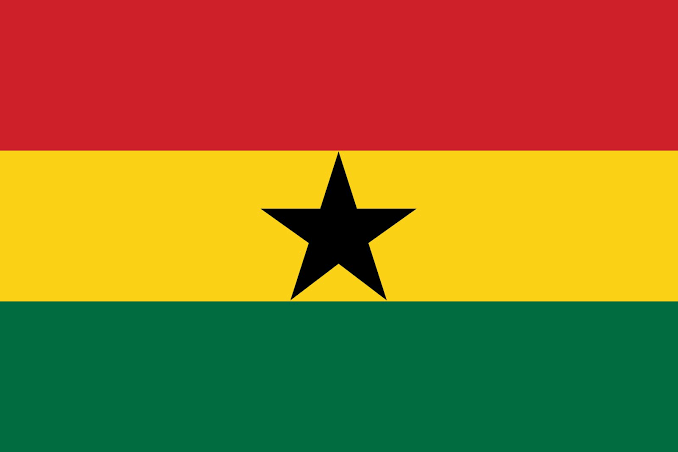
When Ghana gained independence from British rule in 1957, it made history as the first sub Saharan African country to do so. Under colonial administration, the territory had been called the Gold Coast, a name that reflected the abundance of gold resources that attracted European traders and colonizers.
Upon independence, the country adopted the name Ghana, a term that means Warrior King. The name was chosen to honor the ancient Ghana Empire, which existed centuries earlier in West Africa and symbolized strength, organization, and prosperity. By selecting this name, the new nation sought to reconnect with a proud African legacy rather than remain tied to a label rooted in exploitation.
Read more on: What to Know About the Hantavirus Outbreak as Three Deaths Reported
Burkina Faso formerly known as Upper Volta
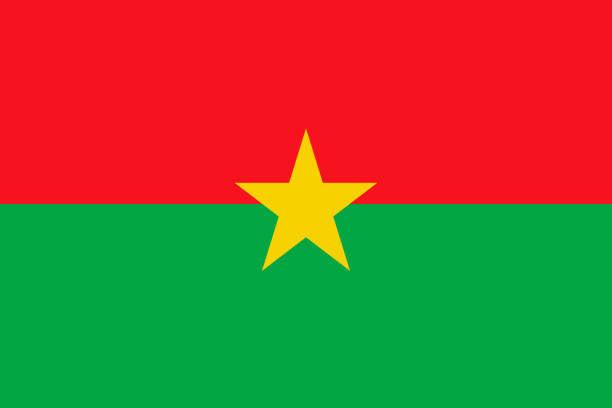
The country once known as Upper Volta derived its colonial name from the Volta River, which flows through the region. While descriptive, the name lacked cultural depth and connection to the people themselves.
In 1984, revolutionary leader Thomas Sankara introduced the name Burkina Faso as part of a broader effort to reshape national identity. The name is a combination of two local languages, Mossi and Dioula, and translates to The Land of Upright and Honest People.
This change was not just symbolic. It represented a vision of integrity, dignity, and pride for the nation and its citizens, reflecting Sankara’s commitment to social and political transformation.
Zimbabwe formerly known as Southern Rhodesia
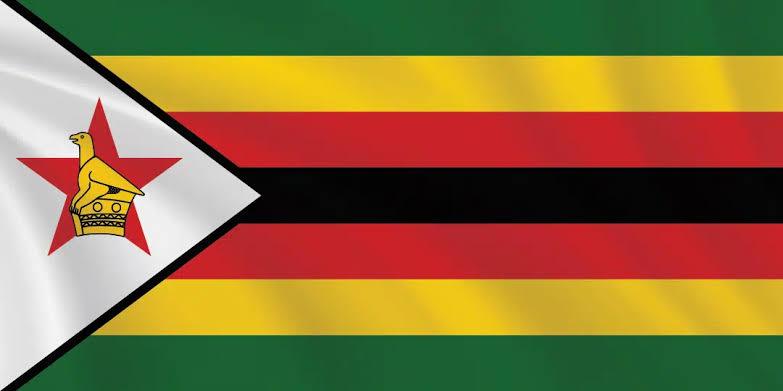
During colonial rule, Zimbabwe was known as Southern Rhodesia, named after British imperialist Cecil Rhodes. The name served as a constant reminder of colonial domination and foreign control.
After a long and difficult struggle for independence, the country became Zimbabwe in 1980. The new name is derived from Dzimba dza mabwe, a Shona phrase meaning houses of stone. It refers to the ancient city of Great Zimbabwe, a powerful symbol of African civilization and architectural achievement.
By adopting this name, the nation reconnected with its pre colonial heritage and celebrated a history that existed long before European influence.
Read more on: 6 Hidden Infections That Can Gradually Damage Your Organs Without Obvious Warning Signs
Benin formerly known as Dahomey
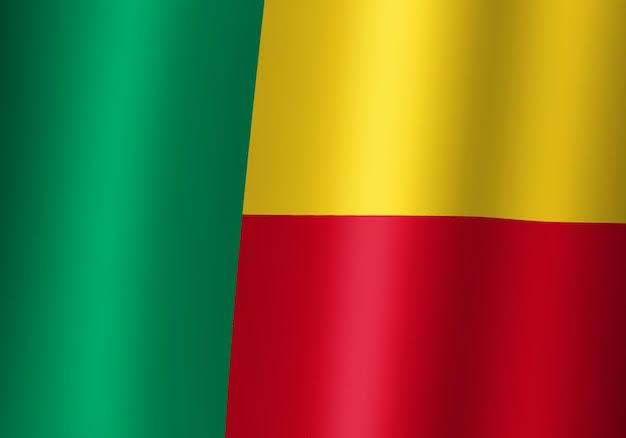
After gaining independence from France, the country initially retained the name Dahomey, which was linked to a prominent pre colonial kingdom in the region. However, this name was closely associated with a specific ethnic group and did not fully represent the diversity of the nation.
In 1975, the government chose to rename the country the Republic of Benin. The name was taken from the Bight of Benin, a large bay along the West African coast.
This choice was considered more inclusive and neutral, allowing the country to move forward with a shared identity that embraced all its ethnic groups rather than emphasizing one historical kingdom.
Namibia formerly known as South West Africa
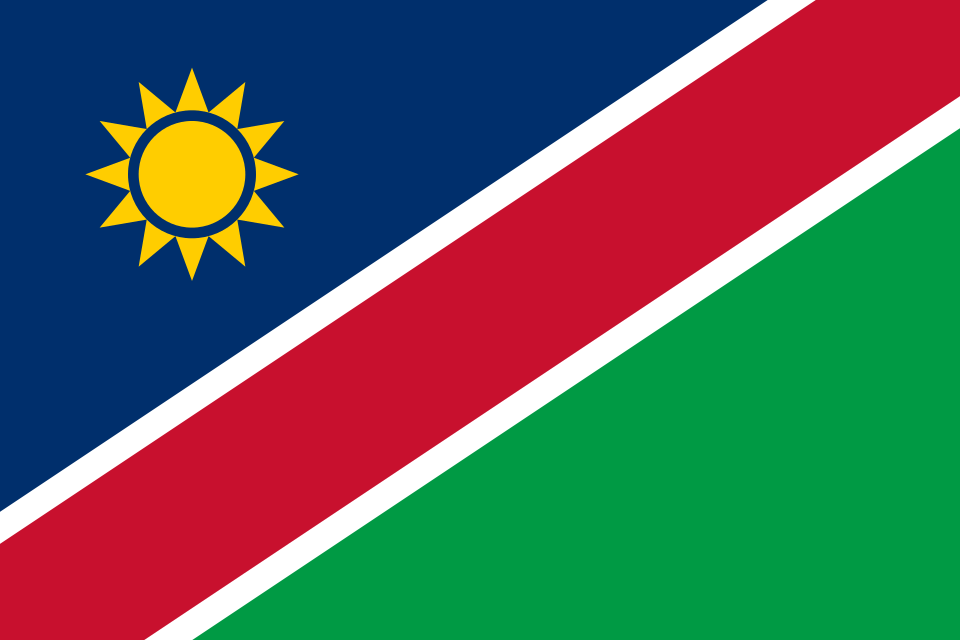
Namibia’s colonial history included both German and South African control, during which it was known as South West Africa. The name was purely geographical and reflected its position relative to other territories.
When the country finally achieved independence in 1990, it adopted the name Namibia. This name is derived from the Namib Desert, one of the oldest and most distinctive deserts in the world.
In the Nama language, Namib is often interpreted to mean a vast or open place. The new name reflects the country’s natural landscape and provides a stronger cultural and environmental connection than its former colonial designation.
Read more on: 8 Practical and Sustainable Ways to Stay Healthy in 2026
Zambia formerly known as Northern Rhodesia
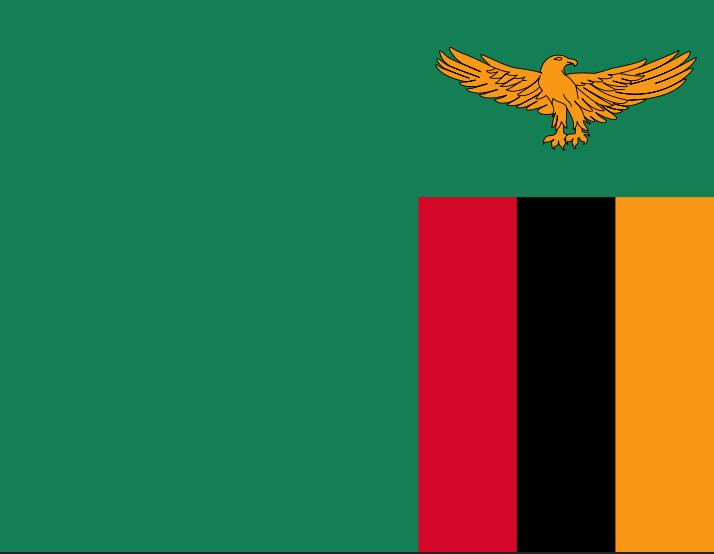
Like Southern Rhodesia, Northern Rhodesia was named after Cecil Rhodes, a figure deeply associated with British colonial expansion in Africa.
When the country gained independence in 1964, it chose the name Zambia, inspired by the Zambezi River. This river is one of the most important geographical features in the region, supporting livelihoods and shaping the landscape.
The new name shifted the focus from a colonial figure to a natural landmark that holds significance for the people of the country, reinforcing a sense of ownership and pride.
Botswana formerly known as Bechuanaland

Botswana, once called Bechuanaland under British rule, adopted its new name upon gaining independence in 1966.
The name Botswana refers to the Tswana people, who are the largest ethnic group in the country. It reflects both the identity of the people and the language spoken across much of the nation.
By making this change, the country emphasized its cultural roots and strengthened a sense of unity among its citizens.
Read more on: 6 common Raining Season Illness and How To Prevent Them
Malawi formerly known as Nyasaland
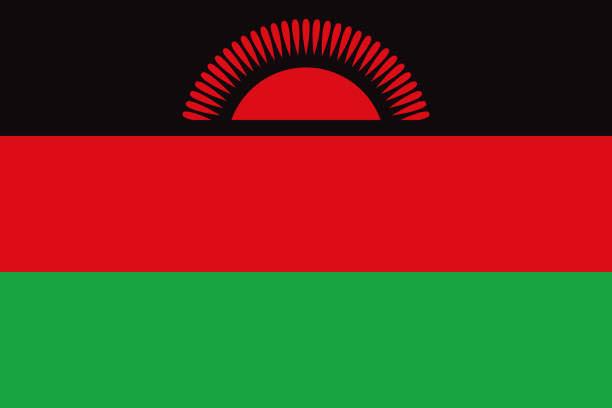
During colonial times, Malawi was known as Nyasaland, a name derived from the Yao word nyasa, meaning broad waters. This referred to Lake Malawi, one of the most prominent features in the country.
In 1964, the nation adopted the name Malawi, inspired by the ancient Maravi Kingdom that once existed in the region. The name is often interpreted as flaming waters, possibly referencing the way sunlight reflects off the lake.
This change represented a deliberate effort to move away from colonial terminology and reconnect with a deeper historical identity rooted in African civilization.
eSwatini formerly known as Swaziland
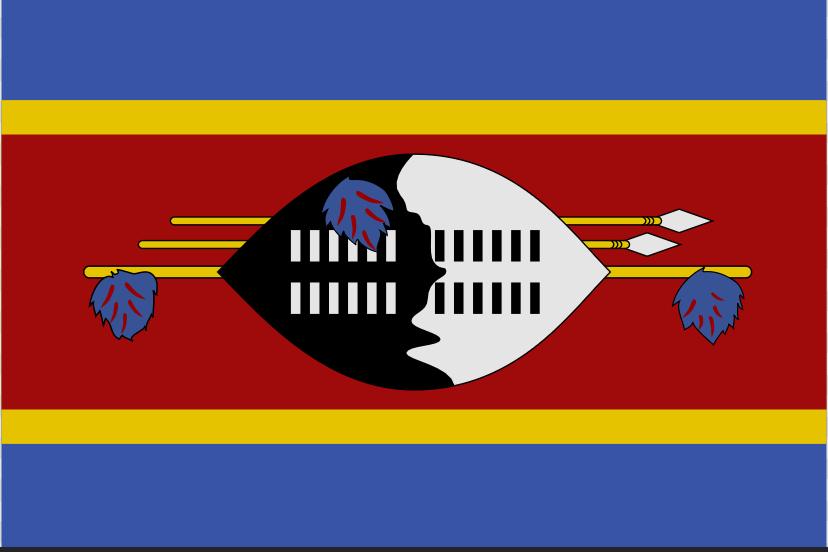
In 2018, the country officially changed its name from Swaziland to the Kingdom of eSwatini. The announcement was made by King Mswati III during celebrations marking fifty years of independence.
The name eSwatini means land of the Swazi people in the local SiSwati language. The decision was made to return to an indigenous name and to strengthen cultural identity.
Another practical reason for the change was to reduce confusion between Swaziland and Switzerland, which had often caused misunderstandings internationally.
Read more on: Beyond the Name: How “Eko” Became “Lagos” — A Journey Through Time
Lesotho formerly known as Basutoland
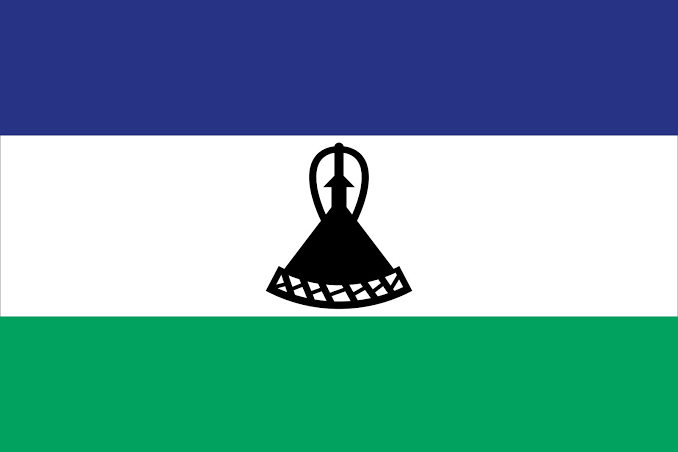
Lesotho, a small landlocked country surrounded by South Africa, was once known as Basutoland during British rule. The name referred to the Basotho people who inhabit the region.
When the country gained independence in 1966, it adopted the name Lesotho, which simply means the land of the Sotho people.
The change reinforced national identity and cultural pride, aligning the country’s name more closely with its people and heritage.
A Broader Reflection on Identity and Independence
The decision by these countries to change their names was not merely administrative. It was deeply symbolic and often emotional. Names carry stories, and for many African nations, colonial names represented a past marked by exploitation, foreign control, and cultural erasure.
By choosing new names, these countries made clear statements about who they are and what they stand for. They reclaimed narratives that had been overshadowed and reasserted their place in history on their own terms.
Today, these names serve as reminders of resilience and transformation. They reflect the determination of nations to define themselves, honor their heritage, and move forward with a renewed sense of identity and purpose.
In many ways, the act of renaming was as significant as independence itself. It marked a transition from being defined by others to embracing a self defined future rooted in culture, history, and pride.
Read more on: