A growing sense of unease is spreading across Lagos and other states in Nigeria’s South-West as new security developments suggest that extremist violence is no longer confined to its traditional strongholds. For years, the devastating activities of groups such as Boko Haram and the Islamic State West Africa Province, widely known as ISWAP, were largely restricted to the North-East and parts of the North-West. Those regions bore the brunt of insurgent attacks, while the South-West remained relatively insulated from such threats.
However, recent intelligence reports and mid-2026 security data are painting a different and more troubling picture. Analysts now warn that insecurity is gradually shifting southward from the Sahel region, with armed groups exploiting weak border controls and ungoverned spaces to extend their reach. This emerging pattern has raised alarm among security experts, civil society groups, and residents, especially as the country moves closer to another election cycle. The fear is that Nigeria’s commercial nerve center could soon face a level of threat it has never experienced before.
The Borgu-Kainji Corridor and Its Strategic Importance
At the heart of this growing concern lies the Borgu-Kainji corridor, a vast and largely under-monitored region that stretches across parts of Niger, Kwara, and Kebbi states. This area has increasingly come under scrutiny due to its geographic and strategic significance. It serves as a natural link between northern and southwestern Nigeria and also connects to international borders with neighboring countries such as Benin and Niger.
Within this corridor is the Kainji Lake National Park, a dense and expansive forest reserve that has become a focal point in discussions about national security. Due to its size and the limited presence of security forces, the park and surrounding communities have inadvertently become safe passage routes for armed groups. These fighters, many of whom originate from the Sahel, are reportedly taking advantage of the terrain to move undetected into new regions.
Security data highlights the seriousness of the situation. Reports from conflict monitoring organizations indicate that violence linked to jihadist groups in this western border region has surged significantly over the past year. Incidents have risen sharply, while the number of fatalities has increased at an even more alarming rate. These developments suggest not just sporadic attacks, but a coordinated effort by extremist groups to establish a foothold in previously unaffected areas.
Read more on: El-Rufai’s Wife Files ₦2bn Lawsuit Against ICPC Over Alleged Defamation
A Dangerous Evolution in Threat Patterns
What makes the current situation particularly alarming is the evolving nature of the threat. What was once perceived as isolated banditry or localized criminal activity is now showing clear signs of ideological alignment with global terrorist movements. This shift became evident following a recent attack in Kwara State’s Kaiama Local Government Area.
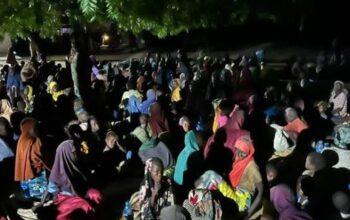
In that incident, fighters linked to a faction of Boko Haram carried out a coordinated assault on rural communities, reportedly targeting residents who refused to submit to extremist demands. The attack resulted in significant loss of life and widespread displacement, marking one of the most severe episodes of violence in the region in recent memory.
Security analysts view this as a turning point. It represents one of the farthest operational expansions of Boko Haram-linked elements beyond their traditional base near the Lake Chad Basin. The implications are far-reaching, as it brings extremist activity closer to states such as Oyo, Osun, and ultimately Lagos.
Why Lagos Remains a Prime Target
The possibility of terrorist infiltration into Lagos is a major concern for both government authorities and independent observers. As Africa’s largest city and Nigeria’s economic powerhouse, Lagos holds immense strategic value. Any successful attack within the city would have consequences that extend far beyond immediate casualties.
One of the key factors that makes Lagos vulnerable is its population density. With millions of people living and working in close proximity, public spaces such as markets, transportation hubs, and religious centers could become high-impact targets. Even a single coordinated attack could result in significant loss of life and widespread panic.
In addition to the human cost, there are serious economic implications. Lagos serves as the commercial backbone of Nigeria and plays a critical role in regional trade across West Africa. A major security breach could disrupt supply chains, deter investment, and weaken financial stability. This dual impact, both human and economic, makes the city particularly attractive to groups seeking maximum visibility and disruption.
Read more on: Tinubu Secure Massive 131,096 Votes in Edo APC Presidential Primary
Government Response and Military Strategy
In response to these developments, the Federal Government has begun adjusting its security approach. With the military already engaged in multiple operations across the country, there is a growing need for more targeted and strategic interventions.
One such response is the launch of Operation Savannah Shield, a military initiative aimed at securing the western border regions and preventing further infiltration. The operation focuses on dismantling terrorist networks within forested areas and cutting off their movement into southern states. It involves a combination of ground forces, aerial surveillance, and intelligence gathering.
This initiative reflects a broader recognition that the nature of the threat is changing and requires a more adaptive response. However, experts caution that military action alone may not be sufficient to address the problem in the long term.
The Role of Communities and Local Intelligence
While federal efforts are crucial, many stakeholders believe that community involvement will play a decisive role in addressing the threat. Across the South-West, there is increasing advocacy for stronger collaboration between local communities, traditional security structures, and formal law enforcement agencies.
Community-based intelligence is seen as one of the most effective tools in countering insurgent activity. Residents are often the first to notice unusual movements or unfamiliar individuals within their environment. Encouraging timely reporting of such observations can help disrupt the networks that these groups rely on.
There are also calls for regional security dialogues and workshops that bring together state governments, community leaders, and security experts. The goal is to develop coordinated strategies that reflect the unique realities of each area while strengthening overall preparedness.
Read more on: Remi Tinubu Calls for Urgent Action to End Child Marriage and Obstetric Fistula
Looking Ahead
The shifting dynamics of insecurity in Nigeria highlight the need for proactive and comprehensive measures. As extremist groups continue to adapt their tactics and expand their reach, the country must respond with equal urgency and innovation.
For the South-West, and Lagos in particular, the stakes are especially high. What was once considered a distant problem is now approaching closer than ever before. Addressing this challenge will require not only military strength, but also community vigilance, strategic planning, and sustained collaboration at all levels of society.
The coming months will be critical in determining whether these emerging threats can be contained or whether they will evolve into a more entrenched crisis.
Read more on