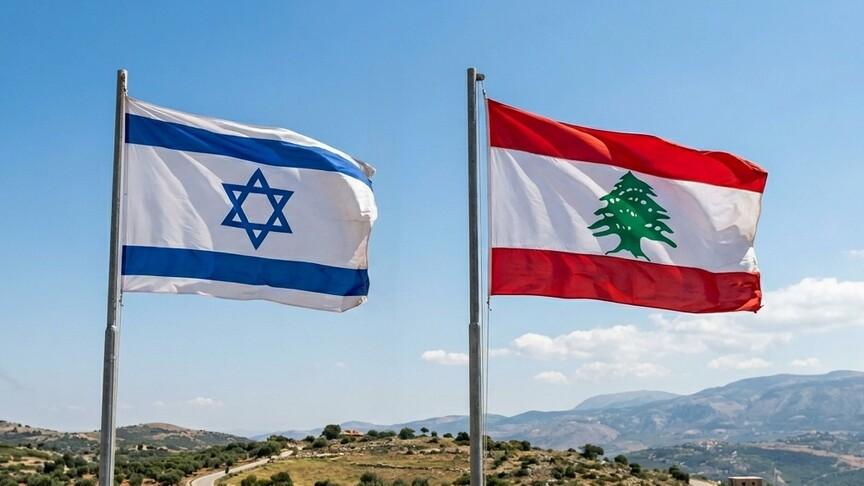
In the early hours of Friday, April 17, 2026, a fragile calm began to take hold across parts of Southern Lebanon and Northern Israel, marking the official start of a 10 day ceasefire agreement that many hope could signal the beginning of a broader de escalation in one of the region’s most volatile flashpoints. The truce, brokered through diplomatic efforts led by the United States, came into effect at midnight local time after weeks of sustained violence that left deep humanitarian and structural damage on both sides of the border.
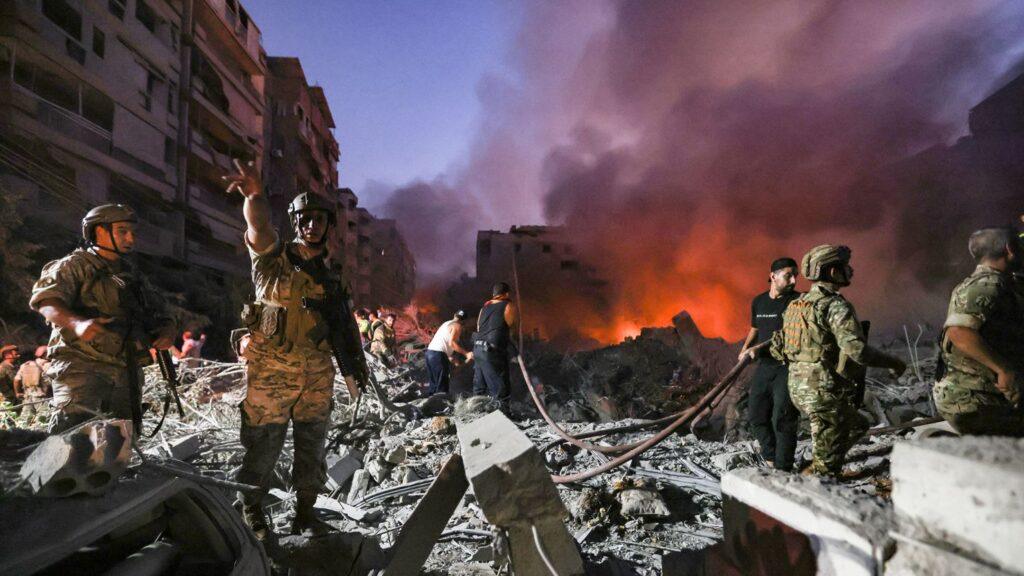
For communities that have endured relentless airstrikes, artillery exchanges, and the constant fear of escalation, the sudden quiet felt both unfamiliar and uncertain. The conflict, which had intensified sharply in early April, has resulted in the deaths of more than 2,100 people while forcing over a million residents from their homes. Entire towns have been emptied, infrastructure has been heavily damaged, and humanitarian agencies have struggled to keep up with the scale of displacement and need.
Yet, even as the ceasefire formally began, the sense of relief was quickly tempered by reports that raised concerns about its stability. Within hours of the agreed pause, the Lebanese Armed Forces issued statements warning that the situation on the ground remained volatile. According to the military, there had already been instances of sporadic shelling in several border areas, which they described as potential violations of the ceasefire terms.
These early developments introduced an immediate layer of tension to what was meant to be a period of calm. The Lebanese Army urged civilians, particularly those displaced from southern regions, to exercise caution and avoid returning to their homes prematurely. Officials emphasized that unexploded ordnance and lingering security threats continued to pose serious risks, even in the absence of sustained combat.
The ceasefire itself is the result of intense diplomatic engagement over recent days, culminating in an announcement made late Thursday by United States President Donald Trump. Speaking after what he described as productive discussions with Lebanese President Joseph Aoun and Israeli Prime Minister Benjamin Netanyahu, Trump framed the agreement as an opportunity to create space for dialogue and potentially lay the groundwork for a more lasting resolution.
Read more on: Trump Makes Major Announcement on Nuclear Agreement With Iran
According to details shared by officials, the agreement is structured as a temporary cessation of hostilities lasting ten days. During this period, both sides are expected to halt offensive military operations, allowing humanitarian access and diplomatic negotiations to proceed. The intention is to use this window to build confidence between the parties and explore the possibility of a longer term security arrangement.
However, even as the agreement was being finalized, it was clear that significant complexities remained. One of the most sensitive aspects involves Israel’s insistence on maintaining a security buffer zone extending several kilometers into Southern Lebanon. Israeli leadership has argued that such a measure is necessary to prevent militant groups, particularly Hezbollah, from re establishing positions close to the border from which they could launch attacks.
This position has been met with concern among Lebanese officials and residents, many of whom view the presence of foreign forces within their territory as a violation of sovereignty. The issue is expected to be a central point of contention in any follow up negotiations, as both sides attempt to balance security concerns with political realities on the ground.
Another important dimension of the ceasefire is its connection to broader regional diplomacy. The agreement is not occurring in isolation but is closely linked to ongoing talks involving the United States and Iran, which are being facilitated through channels in Pakistan. These discussions aim to address wider tensions in the Middle East, including maritime security in the Strait of Hormuz and the risk of escalation involving multiple regional actors.
By aligning the Israel Lebanon ceasefire with these larger negotiations, diplomats hope to create a more comprehensive framework for stability. The logic is that progress in one area could reinforce confidence in another, gradually reducing the likelihood of renewed conflict. However, this interconnected approach also means that setbacks in one set of talks could have ripple effects elsewhere.
Read more on: Tinubu: I Won’t Be Scared by Opposition or Shirk Nigeria’s Challenges
On the ground in Lebanon, the immediate priority remains safety and recovery. The Lebanese Armed Forces have been actively communicating with the public, issuing guidance on how to navigate the uncertain conditions. Among their warnings are alerts about unexploded munitions scattered across previously contested areas, including small devices that can be easily mistaken for harmless objects. These remnants of conflict present a significant danger, particularly to children and returning families.
The army has also reiterated that certain areas remain off limits until proper clearance operations can be conducted. This has created a difficult situation for displaced individuals who are eager to return home but must now wait for assurances that it is safe to do so. For many, the ceasefire has provided a pause in violence but not yet a pathway to normalcy.
In Beirut, the atmosphere reflects this dual reality of relief and uncertainty. The reduction in aerial activity, including the noticeable absence of drones that had become a constant presence in recent weeks, has brought a sense of calm to the city. Yet the physical and emotional scars of the conflict remain visible. Buildings damaged during the most intense periods of bombardment stand as reminders of how quickly the situation escalated.
Residents in temporary shelters and affected neighborhoods have expressed cautious hope that the ceasefire will hold, even as they remain wary of past experiences where similar agreements collapsed before leading to lasting peace. Conversations in the capital often return to the same question of whether this moment represents a genuine turning point or simply a brief pause in a longer cycle of violence.
Adding to the complexity of the situation is the role of Hezbollah, a powerful armed group that operates independently of the Lebanese state and was not a formal signatory to the ceasefire agreement. While there have been no major reports of Hezbollah activity since the truce began, the group’s position remains a critical factor in determining whether the ceasefire can be sustained.
Read more on: Gunmen Abduct UTME Candidates on Benue Highway
In the final minutes before the agreement took effect, air raid sirens were reported in parts of Northern Israel, underscoring the fragile nature of the situation. Hezbollah leadership has indicated that it will respect the ceasefire only as long as Israel refrains from actions it considers aggressive, including incursions into Lebanese territory. This conditional stance introduces an element of unpredictability, as any perceived violation could quickly trigger a resumption of hostilities.
The coming days are expected to be crucial in determining the trajectory of the ceasefire. According to diplomatic sources, the first phase will focus on stabilizing conditions on the ground and facilitating the delivery of humanitarian aid to the most affected regions, including cities such as Tyre and Nabatieh. Aid organizations are preparing to scale up operations, addressing urgent needs related to food, shelter, medical care, and infrastructure repair.
As the ceasefire progresses, attention will shift toward diplomatic engagement. Representatives from Lebanon and Israel are expected to participate in talks hosted in Washington, where officials will attempt to address underlying security concerns and explore options for a more durable arrangement. These discussions are likely to involve complex negotiations over borders, military presence, and mechanisms for monitoring compliance.
The final stage of the ten day period will be critical, as both sides will need to decide whether to extend the ceasefire based on the progress achieved. This decision will depend not only on diplomatic outcomes but also on the situation on the ground, including whether both parties adhere to the terms of the agreement and refrain from actions that could undermine trust.
International reaction to the ceasefire has been cautiously optimistic. The United Nations has welcomed the agreement as an important opportunity to reduce suffering and open the door to further dialogue. At the same time, global leaders have emphasized the need for vigilance, noting that temporary pauses in conflict often require sustained commitment to translate into lasting peace.
Read more on: Security Report Warns of Planned Terrorists Attacks on Airports and Prisons in Two States
Within Israel, the agreement has generated mixed reactions. While some see it as a necessary step to prevent further escalation, others have expressed concern that a limited truce could allow militant groups time to regroup. Residents in northern communities, many of whom have been directly affected by the conflict, are particularly sensitive to the risks associated with any pause that does not fully address long term security threats.
Ultimately, the ceasefire represents both an opportunity and a test. It offers a chance to step back from the brink of continued violence and to begin addressing the deeper issues that have fueled the conflict. At the same time, it highlights the challenges of achieving stability in a region where multiple actors, competing interests, and historical grievances intersect.
As the world watches developments unfold, the question remains whether these ten days will serve as the foundation for meaningful progress or simply as a brief interlude before tensions rise once again. For those directly affected, the hope is that this fragile calm can be transformed into something more enduring, even as the uncertainties of the present moment continue to shape their reality.
Read more on:
- Trump says Israel and Lebanon leaders will hold talks for the first time in 34 years
- APC Dismisses Implosion Claims as Defections Strengthen Its Grip Ahead of 2027 Election
- Trump Claims China Will Halt Arms Sales to Iran to Reopen Hormuz
- APC Moves to Rein In Defectors as Atiku and Presidency Clash Over Jilli Airstrike
- Akpabio Sets 2027 Timeline for Insecurity, Defends Tinubu, Reacts to U.S. Staff Reduction