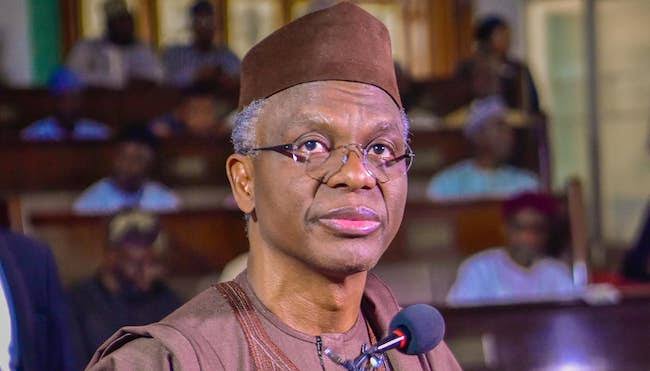
Nigeria’s political and legal circles were jolted this week after the Kaduna State High Court ruled against granting bail to former Governor Nasir El-Rufai, a decision that ensures he will remain in custody as he prepares to face trial in June. The ruling, delivered by Justice Darius Khobo on April 21, has quickly become one of the most talked-about developments in the country, not only because of El-Rufai’s prominence but also due to the broader implications it may have for politics, governance, and accountability ahead of the next general elections.
El-Rufai, who once held significant influence as governor of Kaduna State and previously served as a minister at the federal level, now finds himself in the custody of the Independent Corrupt Practices and Other Related Offences Commission. The court’s refusal to grant bail comes after weeks of legal arguments, intense scrutiny, and growing public interest in the case. With the trial scheduled to begin in early June, attention is now shifting to what promises to be a closely followed legal battle that could redefine his political future.
In his ruling, Justice Khobo offered a detailed explanation that reflected both legal reasoning and a broader awareness of the weight of the case. One of the central points made by the court was that El-Rufai’s stature as a former governor and high-ranking public official did not necessarily strengthen his argument for release. Instead, the judge suggested that such influence could work against him in this context. According to the court, individuals who have held powerful positions may have greater capacity to interfere with investigations or influence witnesses, a concern that ultimately weighed heavily in the decision.
Read more on: Tragedy in Edo as 12 Die, 14 Sustain Injuries in Crash
The issue of potential witness interference featured prominently in the court’s reasoning. Prosecutors from the ICPC had argued that granting bail could jeopardize ongoing investigations, particularly as some individuals connected to the case have not yet been apprehended. The court agreed with this line of argument, describing the prosecution’s submissions as substantial and persuasive. It concluded that there was a legitimate risk that witnesses could face intimidation or that the integrity of the case could be compromised if El-Rufai were released at this stage.
Another factor that influenced the decision was the question of whether the former governor might be a flight risk. Although his legal team emphasized his ties to the community and his long-standing presence in Nigerian public life, the court maintained that these assurances were not sufficient to eliminate concerns. The judge pointed out that individuals with access to resources and networks might find it easier to evade legal proceedings if they choose to do so. As a result, the court determined that it could not rule out the possibility that El-Rufai might become unavailable for trial if granted bail.
Health considerations were also raised by the defense, but this argument failed to gain traction in court. While El-Rufai’s lawyers suggested that their client had medical issues that warranted special consideration, the court found that no concrete or verifiable medical documentation had been presented. Justice Khobo made it clear that claims of ill health must be supported by credible evidence from recognized medical professionals, and in the absence of such documentation, the argument could not be upheld as a valid basis for granting bail.
Read more on: Soldiers Strike in Borno Waterways, Destroy Boats and Kill Dozens of Terrorists
At the heart of the case are serious allegations tied to El-Rufai’s time in office, particularly concerning the handling of public funds. The charges brought against him include multiple counts related to money laundering, fraud, and abuse of office. One of the most striking aspects of the case involves an alleged ₦11 billion light rail project that, according to prosecutors, never materialized despite significant financial disbursements.
The ICPC has accused the former governor of facilitating the release of funds to an entity that was not properly registered, raising questions about due process and oversight. Investigators claim that the project, which was supposed to contribute to urban development in Kaduna State, was never executed, leaving a substantial gap between what was planned and what was actually delivered. This allegation alone has drawn widespread attention, as it touches on issues of transparency and the management of large-scale public projects.
In addition to the light rail controversy, El-Rufai is also facing accusations related to financial benefits he allegedly received after leaving office. Prosecutors claim that he collected approximately ₦290 million in severance allowances that were not authorized under existing regulations. There are also allegations concerning the mismanagement of more than one million dollars from a World Bank facility intended to support development initiatives in the state. These claims, if proven, could carry significant legal consequences and further complicate his defense.
As these allegations unfold in Kaduna, a separate but equally serious legal matter is taking shape in Abuja. On April 23, El-Rufai appeared before the Federal High Court to answer to charges brought by the Department of State Services. This case revolves around claims that he was involved in the unauthorized interception of the communications of National Security Adviser Nuhu Ribadu. The accusations stem from remarks El-Rufai reportedly made earlier in the year, in which he suggested that his associates had the ability to monitor government communications.
Read more on: Terrorists Attack Borno and Adamawa Border Communities
The DSS has interpreted these statements as evidence of involvement in unlawful surveillance activities, leading to a five-count charge that adds another layer of complexity to the former governor’s legal challenges. The emergence of this second case has intensified public interest and raised questions about how the two proceedings might intersect, both legally and politically.
Outside the courtroom, El-Rufai’s legal team has remained vocal in its criticism of the proceedings. His lead counsel, Ubong Akpan, has consistently argued that the charges are politically motivated and part of a broader effort to sideline his client. According to the defense, the timing and nature of the allegations suggest that they are intended to weaken El-Rufai’s influence ahead of the 2027 general elections, a period during which he was expected to play a significant role either as a candidate or as a key political figure.
Akpan has indicated that the legal team will challenge the bail ruling through an appeal, signaling that the fight is far from over. He has also emphasized that his client remains committed to clearing his name and contesting what he describes as an unjust process. These statements have resonated with some of El-Rufai’s supporters, who view the case through a political lens, while others see it as a necessary step toward accountability.
The court’s decision to schedule a day-to-day trial beginning in June suggests an effort to expedite the proceedings and avoid unnecessary delays. This approach means that once the trial begins, hearings will take place in quick succession, allowing for a more efficient examination of evidence and testimony. For both the prosecution and the defense, this timeline presents a challenge, as it requires thorough preparation within a relatively short period.
Read more on: Iran Reportedly Launches Attacks on Ships in Hormuz Strait
For now, El-Rufai remains in custody, a situation that marks a dramatic shift from his years in public office when he was known for his assertive leadership style and willingness to take bold decisions. His current circumstances highlight the unpredictable nature of political life and the legal risks that can accompany positions of power.
The broader implications of this case extend beyond the fate of one individual. It has sparked renewed debate about governance, accountability, and the role of anti-corruption agencies in Nigeria. Supporters of the legal action argue that it demonstrates a commitment to holding public officials accountable, regardless of their status. Critics, however, caution that such cases must be handled with transparency and fairness to avoid the perception of selective justice.
As June approaches, the focus will increasingly shift to the courtroom, where evidence will be presented and arguments tested under judicial scrutiny. The outcome of the trial could have far-reaching consequences, not only for El-Rufai but also for the political landscape as a whole. Whether the proceedings ultimately reinforce public trust in the justice system or deepen existing divisions remains to be seen.
What is clear is that this case has already become a defining moment in Nigeria’s contemporary political history. The coming months will determine whether it serves as a turning point in the fight against corruption or as another chapter in the ongoing intersection of law and politics in the country.
Read more on:
- Nigeria Reports Fresh COVID-19 Case Years After Pandemic
- President Tinubu Ousts Finance Minister and 1 Other, Appoints New Replacements
- Former President Jonathan Responds After Atiku’s Criticism
- FG Slams 13-Count Treason Charges on Alleged Coup Plotters
- APC Unveils 2027 Election Timetable, Reveals Costs for Presidential and Governorship Forms