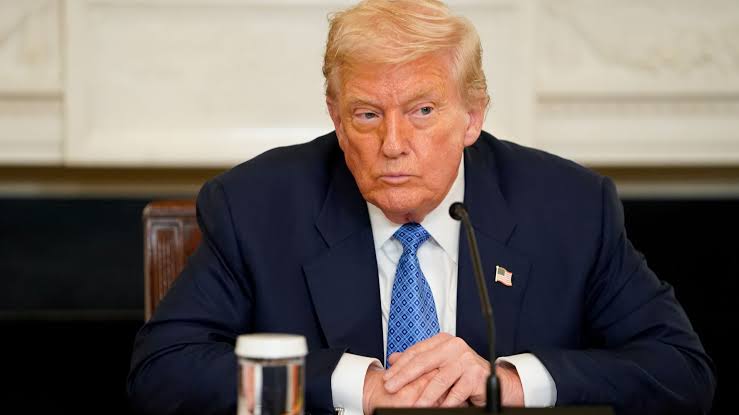
A carefully arranged diplomatic push aimed at stabilizing the tense standoff between Washington and Tehran has suffered a sudden and dramatic disruption after President Donald Trump ordered the cancellation of a planned high-level U.S. envoy mission to Pakistan. The decision came just as preparations were underway for senior American negotiators to embark on what was expected to be an extensive long-haul journey to Islamabad, where renewed talks were supposed to build on the fragile ceasefire framework currently holding in place.
The aborted mission, which had been positioned as a key component of the so-called Islamabad Process, was intended to transform a temporary pause in hostilities into a structured and durable peace arrangement between Iran and the United States, with Pakistan acting as the central mediator. Instead, the cancellation has introduced fresh uncertainty into already volatile negotiations and raised questions about whether diplomatic momentum is now shifting away from direct U.S. involvement toward regional intermediaries like Oman and Russia.
According to officials familiar with the planning, the delegation had been composed of senior political envoys, including longtime Trump confidant Jared Kushner and real estate negotiator Steve Witkoff, both of whom were expected to play informal but influential roles in backchannel discussions. The team had been preparing for an 18-hour flight to Islamabad, where Pakistani officials had scheduled a series of high-level engagements involving Iranian representatives and third-party observers.
Read more on: Ajadi Joins Atiku, Obi, and Kwankwaso for Major Opposition Gathering with Governor Seyi Makinde
The mission was abruptly halted after President Trump made his position clear through a combination of social media posts on Truth Social and later remarks delivered from Mar-a-Lago. In his comments, the president dismissed the value of continued travel-based diplomacy and insisted that the United States was already in a position of strategic superiority.
“We have all the cards, they have none,” Trump said, framing the situation as one in which Washington held overwhelming leverage. He added that if Iran wanted to negotiate, it could do so without requiring what he described as unnecessary international travel. “If they want to talk, all they have to do is call,” he stated, emphasizing a preference for telephone-based diplomacy over in-person meetings.
Beyond the strategic framing, Trump also expressed frustration with the logistics of repeated diplomatic travel, arguing that the back-and-forth between capitals was inefficient and time-consuming. He described the planned trip as “too much time wasted on traveling” and suggested that previous meetings had not produced sufficiently meaningful progress to justify continued physical engagement at that level.
He further criticized the diplomatic process itself, implying that Iran had not come forward with acceptable proposals during earlier rounds of discussion. According to Trump, the United States had already been presented with documents that did not meet Washington’s expectations, and he was unwilling to continue investing time in what he characterized as unproductive exchanges. “We’re not going to spend fifteen hours in airplanes all the time, going back and forth, to be given a document that was not good enough,” he said. “We’ll deal by telephone.”
Read more on: 30 Kwara Rulers Flee Palaces Amid Rising Kidnap Threat
The decision to cancel the Islamabad mission comes at a sensitive moment in the wider conflict dynamic between Washington and Tehran. The current ceasefire, extended on April 21, has held tenuously following weeks of military escalation that included strikes in February which significantly damaged Iran’s command structure. That escalation, while temporarily reducing Iran’s operational capacity, also created a fragmented and uncertain political environment within Tehran, further complicating diplomatic efforts.
Trump has repeatedly pointed to that internal instability as a factor in his approach, suggesting that Iran’s leadership structure is fractured and unclear. In his remarks, he claimed there was “tremendous infighting and confusion” within the Iranian system and even questioned whether there is a coherent decision-making authority capable of negotiating a binding agreement. These assertions, while contested by analysts and Iranian officials, reflect the administration’s broader strategy of applying pressure during what it perceives as a moment of Iranian vulnerability.
Despite the cancellation of the Pakistan mission, diplomatic activity has not entirely stalled. Iranian Foreign Minister Abbas Araghchi had only recently completed a visit to Pakistan, which was described by Iranian officials as constructive and productive. During that visit, Araghchi reportedly presented what he called a “workable framework” for de-escalation and eventual conflict resolution. However, in public remarks following the cancellation of the U.S. trip, he questioned whether Washington is fully committed to a negotiated settlement, suggesting that inconsistencies in U.S. messaging could undermine the entire process.
Read more on: Palestinians Hold First Elections Since Gaza War
Following the developments in Islamabad, the Iranian delegation continued its regional diplomatic outreach, arriving in Muscat, Oman, for consultations with Omani officials. Oman has long played a discreet mediating role in Iran-related diplomacy and is widely viewed as a neutral ground for indirect negotiations. From Muscat, Iranian representatives are expected to travel onward to Russia, signaling a shift toward a broader multipolar diplomatic track that does not rely exclusively on U.S. participation.
Pakistan, which had positioned itself as a key intermediary in the negotiations, now finds its central role under strain. The Islamabad Process was designed to serve as a structured diplomatic bridge between Washington and Tehran, using Pakistan’s geopolitical relationships to facilitate dialogue. With the U.S. decision to withdraw from direct engagement in Islamabad, and Iran increasingly engaging with alternative partners, the credibility of that framework is now uncertain.
At the heart of the negotiations remain several deeply entrenched disagreements. The most significant of these concerns Iran’s nuclear program, particularly uranium enrichment. The United States has maintained a firm position that any long-term agreement must include the complete cessation of enrichment activities by Iran, along with strict verification mechanisms and the removal of previously accumulated nuclear materials. Iran, however, views its enrichment capabilities as a sovereign right and a key bargaining chip in any future agreement.
Read more on: Middle East Crisis: Recent Developments
Another major point of contention involves maritime security in the Strait of Hormuz. Although the ceasefire has reduced direct military confrontation, naval tensions in the region have not fully subsided. The Strait remains a critical global shipping route, and any disruption continues to have immediate implications for global oil markets. Negotiators have struggled to define a framework that ensures uninterrupted maritime passage while also addressing security concerns on both sides.
Sanctions relief is also a central issue dividing the two governments. Iran is seeking comprehensive lifting of economic sanctions that have significantly constrained its economy for years. The United States, however, has only indicated willingness to consider phased or conditional relief tied to substantial nuclear and military concessions. This gap in expectations remains one of the most difficult obstacles in the negotiation process.
Despite these unresolved issues, President Trump suggested that diplomatic movement is still occurring, even without direct meetings. In an unexpected turn, he claimed that shortly after announcing the cancellation of the Pakistan mission, a more favorable proposal was received from Iranian intermediaries. According to Trump, the new communication arrived within minutes and contained more flexible terms than previous drafts, although he emphasized that it still did not meet U.S. requirements.
Read more on: Lagos Police Arrest Cameroonian Cyber Fraud Kingpin in INTERPOL Raid
“They’ve offered a lot, but not enough,” he said, indicating that while the formal trip had been called off, negotiations themselves were far from over. This reinforces the administration’s preference for indirect and rapid-response diplomacy rather than prolonged face-to-face negotiations.
The evolving situation now places Oman and Russia in potentially stronger positions as facilitators of dialogue. Both countries have maintained working relationships with Iran and have previously been involved in regional mediation efforts. Their increased involvement could signal a shift in the diplomatic center of gravity away from South Asia and back toward Gulf and Eurasian actors.
As of now, the broader trajectory of the crisis remains unclear. The ceasefire continues to hold, but the absence of structured negotiations raises concerns about its durability. While the Trump administration insists that its approach is designed to maximize leverage and accelerate concessions, critics argue that withdrawing from planned diplomatic engagement risks undermining trust and weakening coordination among mediators.
What remains evident is that the diplomatic process is entering a more fragmented phase, shaped less by formal summits and more by rapid, decentralized exchanges across multiple regional channels. Whether this approach produces a lasting agreement or further complicates an already fragile situation will depend on how effectively all parties navigate the shifting balance between pressure, negotiation, and strategic patience.
Read more on: