As April 2026 draws to a close, the Middle East continues to sit on a knife edge, with multiple conflict zones feeding into a broader atmosphere of instability. What began as a localized crisis has evolved into a complex web of military confrontations, political maneuvering, and humanitarian emergencies that stretch across borders. Governments, armed groups, and global powers are now entangled in a situation where every decision carries significant regional and international consequences.
Across the region, there is a growing sense that the traditional boundaries between separate conflicts are fading. Instead, what is unfolding is a deeply interconnected security crisis that links Gaza, Lebanon, Iran, Yemen, and beyond. While diplomatic efforts are ongoing, progress remains slow, and the risk of further escalation continues to loom large.
Gaza: A Prolonged Crisis with No Clear Resolution
At the center of the ongoing turmoil is the Gaza Strip, where the humanitarian and military situation remains dire. Months into the conflict, hopes for a lasting ceasefire have yet to materialize. Although there have been intermittent pauses in fighting, these have largely been temporary and limited in scope.
International mediators, including Qatar, Egypt, and the United States, have intensified their efforts to broker a sustainable agreement. However, negotiations remain deadlocked over several key issues. One of the most contentious points is the sequencing of hostage releases in exchange for prisoner swaps and guarantees of a ceasefire. Both sides remain deeply distrustful of each other’s intentions, making compromise difficult.
Another major obstacle lies in determining what Gaza’s governance structure should look like after the conflict subsides. There is no consensus on who should take control of the territory, and this uncertainty continues to complicate negotiations. Without a clear plan for governance, even a temporary ceasefire risks collapsing into renewed violence.
Meanwhile, the humanitarian situation continues to deteriorate. Although new aid corridors have been introduced, including maritime routes and controlled land access points, relief agencies report that assistance is still insufficient. In northern Gaza especially, food shortages have reached critical levels, with many residents unable to meet minimum daily caloric needs.
Healthcare infrastructure has also been severely impacted. Hospitals and clinics are struggling to function amid shortages of medical supplies, damaged facilities, and ongoing security concerns. Efforts to rebuild essential services are being slowed by continued localized clashes, which make it dangerous for aid workers and reconstruction teams to operate effectively.
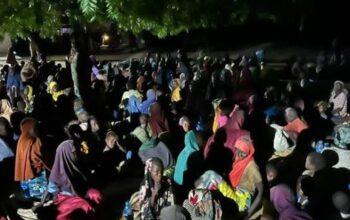
For civilians in Gaza, daily life remains a struggle for survival. Displacement, lack of access to clean water, and limited medical care have compounded the suffering, creating one of the most severe humanitarian crises in recent history.
Read more on: Lagos Police Arrest Cameroonian Cyber Fraud Kingpin in INTERPOL Raid
The Northern Front: Escalation Along the Israel-Lebanon Border
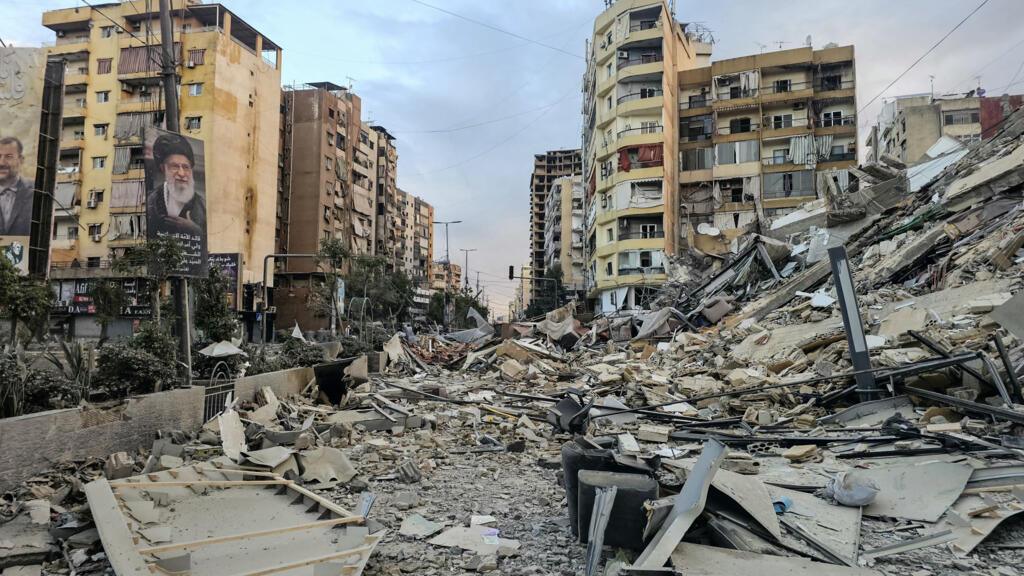
While Gaza remains the focal point, tensions along the Israel-Lebanon border have escalated significantly in recent weeks. The area known as the Blue Line has transformed into a highly volatile frontline, with both Israel and Hezbollah engaging in increasingly sophisticated military actions.
What was once limited to cross-border skirmishes has evolved into deeper and more strategic strikes. Israeli forces have expanded their operations beyond immediate border areas, targeting logistical and military infrastructure in Lebanon’s Bekaa Valley. These strikes are aimed at weakening Hezbollah’s operational capabilities and disrupting its supply chains.
In response, Hezbollah has demonstrated an ability to adapt and escalate. The group has deployed advanced drone technology, including coordinated drone swarms, to target Israeli military positions and command centers in the north. These developments signal a shift toward more complex and technologically advanced warfare.
The human cost of this escalation has been significant. On both sides of the border, large numbers of civilians have been forced to flee their homes. Estimates suggest that more than 150,000 people remain displaced, living in temporary shelters or with host communities. The prolonged displacement has created additional social and economic pressures, further destabilizing the region.
Diplomatic efforts are underway to prevent the situation from spiraling into a full-scale war. Mediators are revisiting the framework established by United Nations Security Council Resolution 1701, which calls for Hezbollah to withdraw its elite forces north of the Litani River. However, implementing such measures has proven challenging, as both sides remain wary of making concessions that could be perceived as strategic weaknesses.
Read more on: Police Arrest “One Chance” Robbery Gang, Recover Guns and Stolen Items in Asaba
The Expanding Confrontation Between Israel and Iran
Beyond the immediate battlefronts, a broader and more covert conflict between Israel and Iran has entered a new phase. What was once characterized by indirect engagements and proxy warfare is now becoming more overt, with both sides engaging in a mix of cyber operations, intelligence activities, and targeted strikes.
This evolving confrontation reflects a deeper strategic rivalry that extends across the region. Iran’s support for various armed groups has long been a source of tension, and recent developments suggest that this network of alliances is playing an increasingly prominent role in shaping the conflict.
Cyber warfare has emerged as a key component of this shadow conflict. Both sides are believed to be conducting operations aimed at disrupting critical infrastructure, gathering intelligence, and undermining each other’s capabilities. These actions often occur behind the scenes, making them difficult to track but potentially far-reaching in their impact.
In addition to cyber activities, there have been reports of maritime incidents involving sabotage and attacks on shipping vessels. These incidents highlight the global dimension of the conflict, as disruptions in key waterways can have ripple effects on international trade and energy markets.
Security analysts have noted that the region is undergoing a fundamental transformation. Rather than viewing each conflict in isolation, it is increasingly necessary to understand them as part of a single, interconnected theater. This shift has significant implications for how governments and international organizations approach conflict resolution and crisis management.
Read more on: Anambra APC Dismiss Alliance Rumours with APGA
Red Sea Tensions and Wider Regional Implications
The conflict has also extended into the Red Sea and the Gulf of Aden, where the Houthi movement in Yemen has continued to target commercial shipping. These attacks have disrupted one of the world’s most important trade routes, forcing many vessels to reroute around the Cape of Good Hope.
This diversion has increased shipping costs and delivery times, contributing to broader economic pressures. Global supply chains have felt the impact, and industries reliant on timely shipments have been particularly affected.
Despite the presence of multinational naval forces and ongoing military operations aimed at securing the waterways, the Houthis have maintained their ability to launch attacks, including the use of anti-ship ballistic missiles. This capability underscores the challenges of neutralizing asymmetric threats in a complex maritime environment.
The economic consequences of these disruptions are being felt beyond the immediate region. Energy markets, in particular, have experienced volatility as uncertainty over supply routes continues. Countries that depend heavily on stable energy imports are closely monitoring the situation.
In neighboring countries such as Jordan and Egypt, the ripple effects are becoming increasingly evident. Both nations are facing economic strain due to reduced trade activity, increased security costs, and the broader instability in the region. These pressures have raised concerns about internal stability, as governments work to manage both economic challenges and public sentiment.
Read more on: President Tinubu Swear-in New Minister
Diplomatic Efforts and the Search for a Way Forward
Amid the ongoing tensions, diplomatic efforts remain a critical component of the international response. However, the focus has shifted from long-term normalization initiatives to immediate de-escalation strategies. The goal is to prevent further escalation while creating conditions that could eventually support a more comprehensive peace process.
The United States continues to play a central role in these efforts, advocating for a broader agreement that would address multiple aspects of the conflict. This proposed framework includes the possibility of a pathway toward Palestinian statehood, combined with increased regional cooperation and integration.
Despite these ambitions, achieving such an agreement faces significant obstacles. Domestic political dynamics within the countries involved often limit the flexibility of leaders to make concessions. Public opinion, security concerns, and political rivalries all contribute to a complex decision-making environment.
International organizations, including the United Nations, are also actively engaged. Discussions at the Security Council have focused on potential resolutions related to ceasefire agreements and the broader political status of Palestinian territories. However, reaching consensus among member states has proven difficult, reflecting the broader geopolitical divisions at play.
Read more on: Lassa Fever: Oyo Confirms Five Cases, One Death Recorded
Key Developments to Watch
As the situation continues to evolve, several key factors are likely to shape the trajectory of the conflict in the coming days and weeks.
One area of particular concern is the southern Gaza corridor, especially around Rafah. Any significant shift in military operations in this area could have major implications for both the humanitarian situation and the broader conflict dynamics.
Another important factor is the outcome of ongoing diplomatic engagements at the United Nations. New resolutions or shifts in international positions could influence the direction of negotiations and potentially create openings for progress.
Attention is also focused on Iran’s regional posture. Statements and actions from Tehran, particularly in relation to its support for allied groups, will be closely monitored. Recent diplomatic engagements involving major powers such as Russia and China add another layer of complexity to this aspect of the conflict.
Read more on: FG Increases Civil Servants’ Allowance, Benefits and Housing Support
A Region on the Edge
The Middle East today is characterized by what many observers describe as controlled escalation. While none of the major actors appear to be actively seeking a full-scale regional war, the level of tension remains extremely high. The interconnected nature of the conflicts means that developments in one area can quickly influence others, creating a fragile and unpredictable environment.
The margin for error has become increasingly narrow. A single miscalculation, whether on the battlefield or in the diplomatic arena, could trigger a chain reaction with far-reaching consequences.
For now, the focus remains on managing the crisis and preventing further escalation. Yet the underlying issues that have fueled the conflict remain unresolved, suggesting that achieving lasting stability will require sustained effort, compromise, and a willingness to address the root causes of the region’s challenges.
As the world watches, the Middle East stands at a critical juncture, with the path forward still uncertain and the stakes higher than ever.
Read more on: