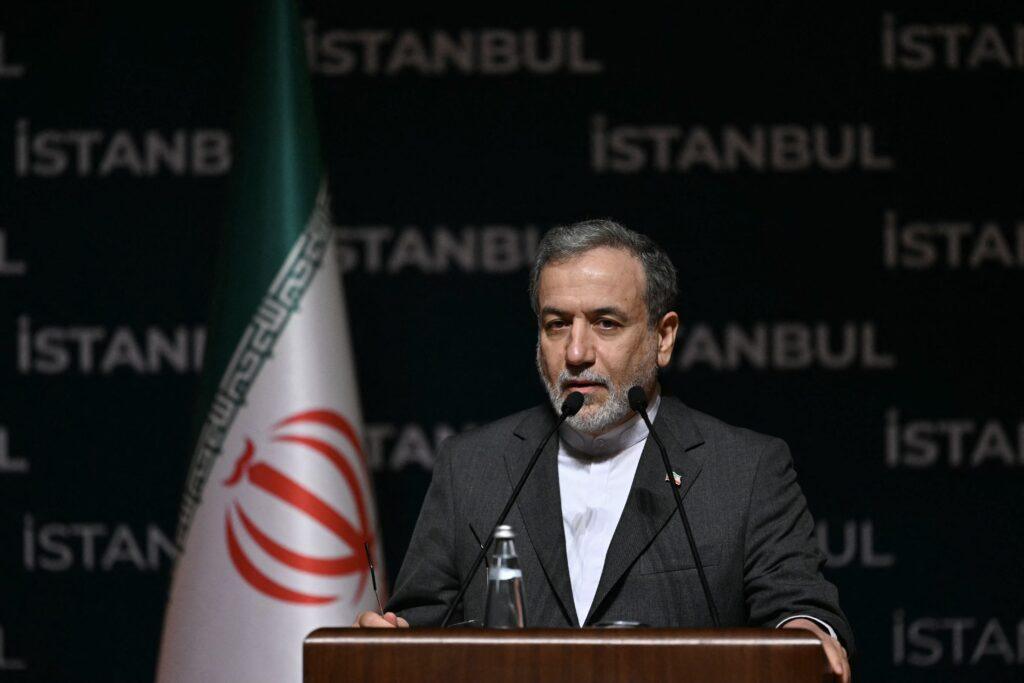
The delicate and increasingly fragile diplomatic effort to prevent a broader conflict in the Middle East has now shifted to Russia, where Iranian Foreign Minister Abbas Araghchi arrived earlier today for what could prove to be one of the most consequential meetings in the ongoing crisis. His visit comes at a moment when direct negotiations between Tehran and Washington have stalled to a worrying degree, leaving the fate of a tenuous ceasefire uncertain and raising fresh concerns about the possibility of renewed escalation.
Araghchi’s arrival in St. Petersburg is not just another routine diplomatic stop. It marks a calculated move by Tehran to strengthen its strategic alliances at a time when it finds itself locked in a deadlock with the United States. The Iranian delegation is seeking not only political backing but also reassurance that key global players, particularly Russia, will continue to support its position in the face of mounting Western pressure. The stakes could hardly be higher, as both sides appear entrenched in their demands, with little indication that either is ready to compromise on the most contentious issues.
The symbolism surrounding Araghchi’s journey has also drawn attention. His aircraft reportedly carried the callsign “Minab 168,” a reference tied to children killed in a strike earlier this year. Whether intentional or coincidental, the detail underscores the emotional and political weight attached to the mission. It reflects how deeply the conflict has resonated within Iran and how the government is framing its diplomatic outreach as part of a broader narrative of resistance and justice.
Read more on: Trump Abruptly Cancels Pakistan Peace Mission as Iran Talks Stall
Before arriving in Russia, Araghchi had already embarked on a series of rapid diplomatic engagements, stopping in Oman and Pakistan. Those earlier visits were largely focused on indirect communication with Washington, as both countries have played intermediary roles in facilitating dialogue between the two adversaries. However, the purpose of the Russia trip is notably different. Here, the focus is less on relaying messages and more on consolidating a partnership that could influence the direction of the crisis on the global stage.
High-level meetings with Russian President Vladimir Putin and Foreign Minister Sergei Lavrov are expected to dominate Araghchi’s schedule. These discussions are anticipated to center on the current state of negotiations, the prospects for reviving talks with the United States, and the broader geopolitical implications of the standoff. For Tehran, ensuring that Moscow remains firmly in its corner is essential. Russia’s position at the United Nations, particularly its ability to wield veto power, provides Iran with a crucial layer of diplomatic protection against potential resolutions or sanctions pushed by Western nations.
The visit also comes against the backdrop of controversial reports suggesting that Russia may have been sharing satellite intelligence with Iran, particularly information related to U.S. and Israeli military movements in the Persian Gulf. Although Moscow has denied these claims, their mere existence has added another layer of tension to an already volatile situation. If such cooperation were to be confirmed, it would signal a deeper level of coordination between the two countries, potentially complicating efforts to de-escalate the crisis.
At the heart of the diplomatic impasse lies a fundamental disagreement over Iran’s nuclear program. The collapse of recent talks in Islamabad highlighted just how wide the gap remains between the two sides. Despite initial optimism that an agreement might be within reach, negotiations ultimately broke down over the issue of uranium enrichment, which has long been a sticking point in U.S.-Iran relations.
Read more on: Ajadi Joins Atiku, Obi, and Kwankwaso for Major Opposition Gathering with Governor Seyi Makinde
President Donald Trump has maintained a firm and uncompromising stance, insisting that any agreement must include a complete halt to Iran’s enrichment activities. This “zero enrichment” demand is coupled with calls for the recovery or dismantling of existing nuclear material, a position that Washington argues is necessary to prevent the development of nuclear weapons capabilities. From the U.S. perspective, anything short of this would fail to address the core security concerns that have driven years of tension.
Iran, however, has drawn clear red lines of its own. Tehran insists that its nuclear program is for peaceful purposes and has repeatedly stated that it will not relinquish its right to develop nuclear energy. The leadership views enrichment as a matter of national sovereignty and technological progress, making it politically and strategically difficult to concede to Washington’s demands. This clash of positions has created a deadlock that neither side appears willing to break, at least for now.
In an effort to move the process forward, Iran has reportedly put forward a new proposal through intermediaries in Pakistan. According to sources familiar with the discussions, the offer includes a willingness to reopen the Strait of Hormuz and effectively end the current phase of hostilities, but with a significant caveat. The proposal suggests postponing any detailed negotiations over the nuclear issue to a later stage, allowing both sides to first secure a ceasefire and stabilize the region.
This approach reflects a pragmatic calculation by Tehran. By separating the immediate need for de-escalation from the more complex and contentious nuclear negotiations, Iran hopes to create space for progress without being forced into concessions it considers unacceptable. However, it remains unclear whether the United States is willing to entertain such an arrangement. For Washington, deferring the nuclear question could be seen as a risky move that allows the underlying issue to persist unresolved.
Read more on: 30 Kwara Rulers Flee Palaces Amid Rising Kidnap Threat
Meanwhile, the broader regional context continues to add urgency to the diplomatic efforts. The Strait of Hormuz, a critical chokepoint for global oil shipments, has been at the center of the crisis. Its closure during recent hostilities sent shockwaves through international energy markets, driving up prices and heightening economic uncertainty. The potential reopening of the strait is therefore a key element of Iran’s proposal and a factor that could influence the calculations of multiple stakeholders, including countries far beyond the immediate region.
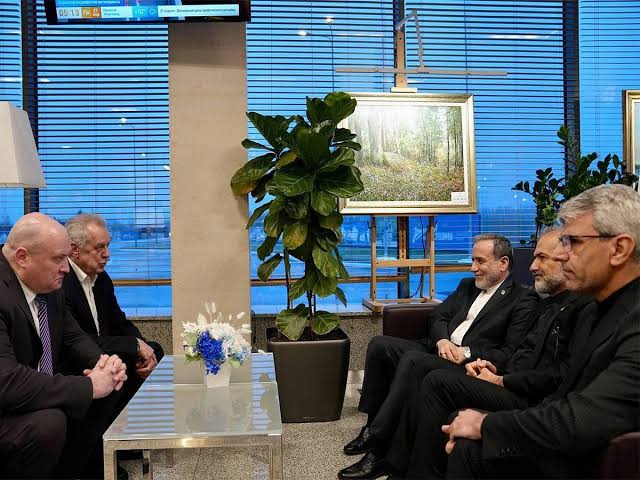
Russia’s role in all of this is complex and multifaceted. On one hand, Moscow has positioned itself as a proponent of diplomatic solutions, with Foreign Minister Lavrov emphasizing the need for a sustainable political process to resolve the tensions in the Persian Gulf. On the other hand, Russia’s strategic interests and its relationship with Iran mean that it is unlikely to adopt a neutral stance. Instead, it is more likely to act in a way that preserves its influence while preventing a scenario that could destabilize the region further or draw in additional global powers.
Pakistan, which has served as a key intermediary in the talks, remains an important player as well. Its role in facilitating communication between Tehran and Washington has been widely acknowledged, but the effectiveness of this mediation is now being tested. With the ceasefire extension granted by the United States set to expire soon, time is becoming an increasingly critical factor. The window for achieving a negotiated settlement is narrowing, and each passing day without progress raises the risk of renewed confrontation.
Read more on: Palestinians Hold First Elections Since Gaza War
Looking back at the timeline of events leading up to this moment, it becomes clear how quickly the situation has evolved. Early efforts in Oman earlier this year failed to produce a breakthrough, setting the stage for the Islamabad talks in April. Those discussions initially raised hopes but ultimately faltered, leading to the current phase of uncertainty. The temporary extension of the ceasefire provided a brief respite, but it did not resolve the underlying issues, leaving both sides searching for a path forward.
Araghchi’s presence in St. Petersburg is therefore part of a broader strategy by Iran to reshape the diplomatic landscape. By engaging with Russia at this critical juncture, Tehran is signaling that it is not isolated and that it has options beyond direct negotiations with the United States. Whether this approach will succeed in breaking the deadlock remains to be seen, but it underscores the increasingly global nature of the الأزمة.
The central question now is whether a compromise can be found that addresses the core concerns of both sides without pushing either into a politically untenable position. Iran’s proposal regarding the Strait of Hormuz offers a potential starting point, but it does not resolve the fundamental disagreement over the nuclear program. For the United States, accepting such a deal without firm guarantees on enrichment could be difficult to justify. For Iran, agreeing to “zero enrichment” would represent a significant retreat from long-standing policy.
Read more on: Middle East Crisis: Recent Developments
As the talks continue behind closed doors in St. Petersburg, the world is watching closely. The outcome of these discussions could determine whether the current ceasefire holds or whether the region slides back into conflict. In a situation where trust is limited and stakes are extraordinarily high, even small shifts in position could have far-reaching consequences.
For now, the diplomatic effort remains a delicate balancing act, with each side weighing its options and testing the limits of what is possible. Whether Moscow can play the role of mediator, ally, or power broker in a way that brings the parties closer to agreement is one of the key uncertainties. What is clear, however, is that the coming days will be critical in shaping the next phase of this crisis, with implications that extend well beyond the Middle East.
Read more on: