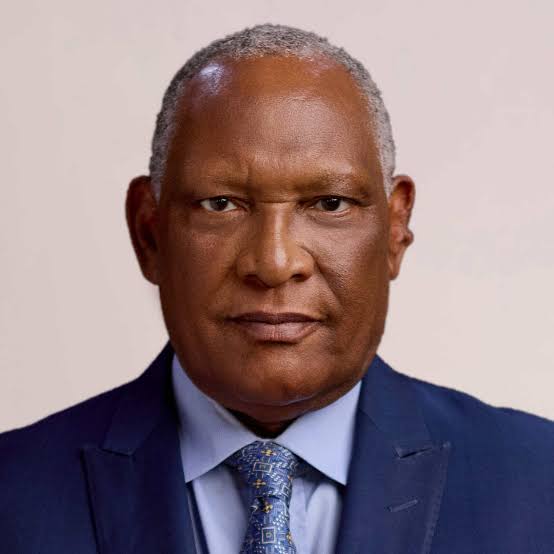
In a significant development within Nigeria’s energy sector, President Bola Ahmed Tinubu has approved the removal of Mr. Saidu Mohammed as the Authority Chief Executive of the Nigerian Midstream and Downstream Petroleum Regulatory Authority, widely known as NMDPRA. The decision was announced on Wednesday, April 29, 2026, and comes alongside the nomination of Mr. Rabiu Abdullahi Umar as the new substantive head of the regulatory agency.
The move represents more than a routine administrative change. It signals a broader effort by the Tinubu administration to reset the direction of a critical institution that sits at the center of Nigeria’s oil and gas value chain. According to the Presidency, the decision was taken in the public interest, underscoring the urgency attached to improving regulatory performance, strengthening oversight, and restoring confidence among stakeholders in the industry.
A Sudden but Strategic Transition
The announcement was conveyed through a formal statement issued by the President’s Special Adviser on Information and Strategy, Bayo Onanuga. In that statement, the Presidency framed the leadership change as part of an ongoing commitment to reposition the energy sector in line with national priorities.
Saidu Mohammed’s tenure as head of the NMDPRA was relatively brief. He assumed office following the departure of the agency’s pioneer chief executive, Farouk Ahmed, in late 2025. While his time in office was not marked by any single defining policy shift, it unfolded during a period of heightened scrutiny and tension within the sector.
By moving to replace him now, the administration appears to be sending a message that it is not satisfied with the pace of reforms or the overall direction of the agency. The timing also suggests a desire to inject fresh leadership before ongoing challenges deepen further.
Under the provisions of the Petroleum Industry Act of 2021, the President has the authority to make such changes in order to ensure efficiency and effectiveness in regulatory institutions. The Act itself was designed to overhaul Nigeria’s oil and gas governance framework, making agencies like the NMDPRA central to its success or failure.
Pending the confirmation of Rabiu Umar by the Nigerian Senate, the most senior official within the NMDPRA will oversee daily operations in an acting capacity. This interim arrangement is expected to maintain continuity while the formal process of leadership transition unfolds.
Read more on: Delta Police Officer Faces Murder Charge After Fatal Shooting of Suspect in Custody in Effurun
The Mandate Behind the Decision
At the heart of this leadership change lies a clear policy objective. The Tinubu administration has repeatedly emphasized its Renewed Hope Agenda, which places strong focus on economic recovery, institutional efficiency, and improved governance.
Within the energy sector, this translates into a number of key priorities. These include ensuring energy security, improving transparency in regulatory processes, attracting investment into refining and distribution, and stabilizing fuel supply systems across the country.
The NMDPRA plays a crucial role in achieving these goals. It is responsible for regulating midstream and downstream activities, including the issuance of licenses, monitoring of operations, enforcement of standards, and oversight of pricing frameworks. Any inefficiency within the agency can have ripple effects across the entire economy.
By appointing a new leader with a different professional background, the administration appears to be seeking a shift in both approach and outcomes. There is a clear expectation that the incoming chief executive will bring a more results driven and reform oriented mindset to the role.
Who is Rabiu Abdullahi Umar
The nomination of Rabiu Abdullahi Umar introduces a figure with extensive experience in both the private and public sectors. Unlike traditional career regulators, Umar’s background is rooted in corporate leadership and strategic management.
He has accumulated over 25 years of professional experience spanning multiple industries, including energy, manufacturing, and infrastructure. This breadth of exposure is likely to be seen as an advantage, particularly at a time when the energy sector requires cross sector thinking and innovative problem solving.
Umar is widely regarded as someone with a strong track record in operational transformation. Throughout his career, he has been involved in managing large scale projects and implementing organizational reforms aimed at improving efficiency and performance.
His academic credentials also reflect a blend of local and international training. He holds a degree in Accounting from Bayero University and has attended programs at Harvard Business School. This combination suggests familiarity with global best practices in corporate governance, financial management, and strategic leadership.
For many observers, his nomination signals a deliberate shift toward technocratic leadership. The administration appears to be prioritizing competence and execution over traditional bureaucratic experience.
Read more on: Ekiti Church Attack: CAN Expresses Outrage, Calls for Immediate Action
A Sector Facing Persistent Challenges
The leadership change comes at a time when the NMDPRA is under considerable pressure from both industry players and the general public. Over the past year, the agency has been at the center of several controversies that have raised questions about its effectiveness and independence.
One of the most prominent issues involved allegations made by Aliko Dangote, President of Dangote Industries. He accused regulators of actions that could hinder the operations of his multi billion dollar refinery project. While these claims were directed more strongly at previous leadership, they have continued to cast a shadow over the agency as a whole.
Beyond individual disputes, the sector is grappling with broader structural challenges. These include inconsistent fuel supply, pricing volatility, infrastructure deficits, and concerns about regulatory transparency. Each of these issues requires a coordinated response from both policymakers and regulators.
The post subsidy environment has added another layer of complexity. With the removal of fuel subsidies, market dynamics have shifted significantly. Regulators are now expected to ensure fair competition while also protecting consumers from excessive price fluctuations.
In this context, the decision to appoint a new leader can be seen as an attempt to draw a line under past controversies and chart a new course forward.
Read more on: Five Ogun Polytechnic Students Freed After Kidnapping
Implications for the Oil and Gas Industry
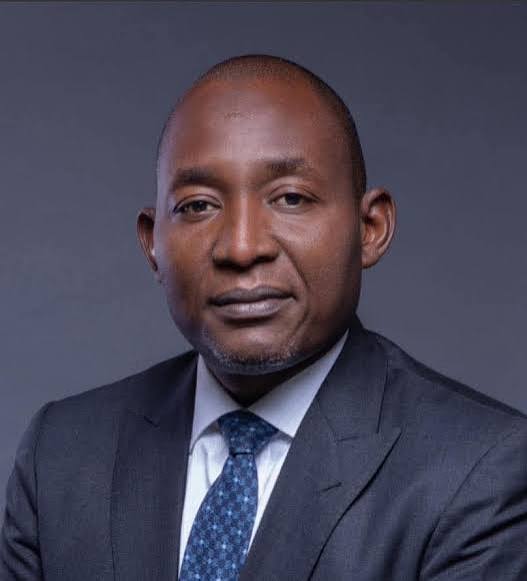
The appointment of Rabiu Umar, if confirmed, could have far reaching implications for the industry. His leadership style and policy priorities will likely shape how the NMDPRA interacts with key stakeholders, including oil marketers, refinery operators, and international investors.
One immediate area of focus is expected to be the integration of the Dangote Refinery into Nigeria’s domestic supply chain. This project has the potential to transform the country’s refining capacity, but its success depends heavily on effective regulation and coordination.
Umar’s background in strategic management could prove valuable in navigating such complex projects. His experience may also help in addressing long standing inefficiencies within the downstream segment, particularly in logistics and distribution.
Another important aspect is revenue integrity. With his training in accounting, Umar is expected to place greater emphasis on financial discipline and transparency. This could involve stricter monitoring of revenue flows, improved auditing processes, and enhanced accountability mechanisms.
Stability is also a key consideration. Frequent changes in leadership can create uncertainty and disrupt policy continuity. By appointing a leader with a strong track record, the administration appears to be aiming for a more stable regulatory environment that can support long term planning.
Read more on: Supporters Back Tinubu’s Second Term Push with N100m APC Nomination Forms
The Role of the Senate
Before Rabiu Umar can officially assume office, his nomination must be approved by the Nigerian Senate. The confirmation process is likely to involve detailed scrutiny of his qualifications, experience, and vision for the sector.
Lawmakers are expected to question him on a range of issues, including fuel pricing, domestic refining capacity, regulatory transparency, and strategies for attracting investment. His responses will play a crucial role in shaping perceptions of his readiness for the role.
The Senate’s decision will also carry political significance. Approval would signal alignment between the executive and legislative branches on the direction of energy sector reforms. Any delay or rejection could introduce uncertainty at a time when decisive action is needed.
Read more on: US Reviews New Iranian Peace Proposal Amid Ongoing Tensions
Looking Ahead
As Nigeria continues to navigate a complex energy landscape, the importance of effective regulation cannot be overstated. The NMDPRA sits at the heart of this effort, serving as both referee and facilitator within the industry.
The decision to replace its chief executive reflects a sense of urgency within the Tinubu administration. There is a clear recognition that the success of broader economic reforms depends in part on the performance of key institutions like the NMDPRA.
For Rabiu Umar, the task ahead will not be easy. He will need to balance competing interests, address legacy issues, and deliver tangible improvements within a relatively short timeframe. Expectations will be high, both from government and from the public.
At the same time, the leadership change offers an opportunity for renewal. It creates space for new ideas, new approaches, and a renewed commitment to transparency and accountability.
Ultimately, this is more than just a change of personnel. It is a reflection of a broader effort to recalibrate how Nigeria manages one of its most important economic sectors. By bringing in a leader with a strong private sector background, the administration appears to be betting on a model that emphasizes efficiency, innovation, and results.
Whether this approach will deliver the desired outcomes remains to be seen. What is clear, however, is that the stakes are high. The performance of the NMDPRA will continue to have a direct impact on energy security, economic stability, and the everyday lives of Nigerians.
The coming months will be critical. As the Senate considers the nomination and the transition unfolds, industry watchers will be paying close attention to every development. The hope is that this change marks the beginning of a more effective and responsive regulatory framework.
In the end, the success of this decision will be measured not by the announcement itself, but by the results that follow.
Read more on:
- Reps Grant Approval for Tinubu’s $516m Loan Request
- South Africa: Nigeria Demands Justice and Protection for Its Citizens After Two Killings
- Sanwo-Olu Backs Deputy Governor Hamzat for Lagos 2027 Governorship Election
- Gunmen Invade Kogi Orphanage, Kidnap 23 Children in Midnight Raid
- Iran Foreign Minister Arrives in Russia Amid Ongoing Stalemate in U.S. Talks