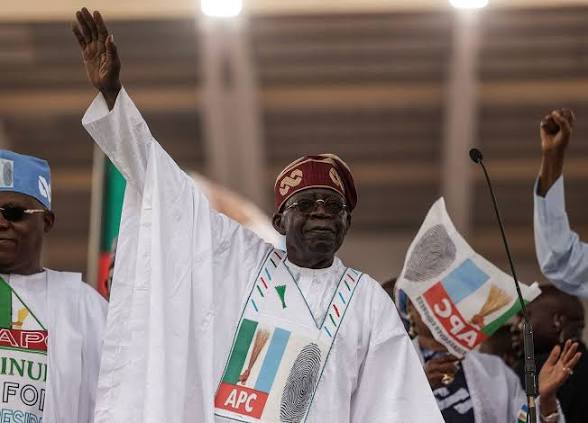
Nigeria’s political atmosphere has entered a new phase as President Bola Ahmed Tinubu has formally indicated his intention to seek a second term in office. The development became official following the purchase of the All Progressives Congress expression of interest and nomination forms by his supporters at the party’s national headquarters in Abuja.
The event, which attracted party loyalists, political stakeholders, and several support groups, marked the beginning of what is already being framed as the “Renewed Hope 2.0” campaign. For months, discussions about Tinubu’s political future had dominated both public discourse and private conversations within the ruling party. With this latest move, those speculations have now been put to rest.
The purchase of the forms was not treated as a routine party exercise. Instead, it was presented as a carefully organized show of strength, unity, and readiness ahead of the 2027 general elections. The total cost of the forms stood at N100 million, a figure that immediately sparked widespread reactions across the country.
Supporters of the President described the development as a demonstration of confidence in his leadership and a reflection of the growing support base within the APC. However, critics have raised concerns about the high cost of participation in Nigeria’s political process, arguing that such financial barriers may discourage capable individuals from aspiring to public office.
Read more on: US Reviews New Iranian Peace Proposal Amid Ongoing Tensions
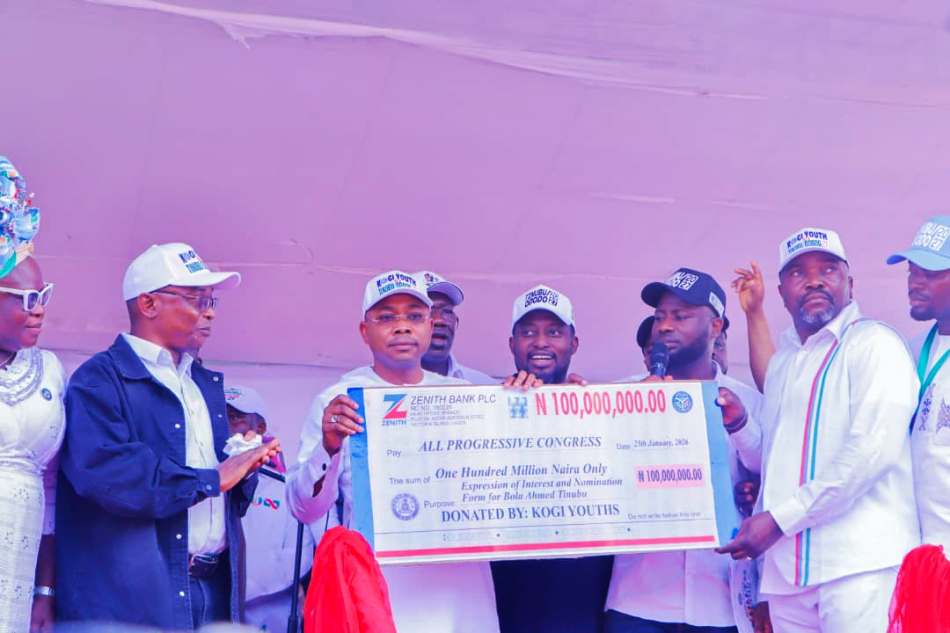
According to information shared at the event, the funds used to purchase the forms were contributed by a coalition of support groups and political allies. Among those mentioned were the City Boy Movement, Youth for PBAT 2027, and several regional APC organizations that have been actively mobilizing support for the President.
The involvement of these groups highlights the increasing role of organized political movements in shaping electoral outcomes. Over the past year, many of these groups have focused on engaging young people and promoting the administration’s policies, particularly in regions where the APC has historically faced challenges.
One notable aspect of the fundraising effort is its connection to earlier initiatives at the state level. Observers pointed to Kogi State as a key starting point, where youth groups, with the backing of Governor Ahmed Usman Ododo, had previously announced a major financial commitment toward securing the President’s nomination forms. That early show of support appears to have set the tone for the broader coalition that eventually came together in Abuja.
The forms were officially collected by a delegation led by Honorable James Abiodun Faleke, a long-standing ally of President Tinubu. He was joined by several governors, lawmakers, and party officials, further underscoring the level of backing the President enjoys within the APC structure.
Read more on: Reps Grant Approval for Tinubu’s $516m Loan Request
While the purchase of nomination forms is a standard requirement in Nigeria’s electoral process, the political implications of this particular event go far beyond procedure. The atmosphere at the party headquarters suggested a growing consensus around Tinubu as the party’s preferred candidate for 2027.
In recent weeks, several state chapters of the APC have publicly endorsed the President as their sole candidate. One of the most notable endorsements came from the Jigawa State APC Working Committee, which declared its support for Tinubu and Governor Umar Namadi ahead of the next election cycle. Similar endorsements have emerged from other parts of the country, contributing to a narrative that the party is gradually aligning behind a single figure.
Despite this wave of endorsements, party officials have maintained that the process remains open and democratic. The APC National Organizing Secretary, Alhaji Sulaiman Argungu, addressed this issue by emphasizing that the availability of multiple nomination forms ensures that any qualified member of the party can still contest.
He explained that while the party has strong confidence in the President’s leadership, it is committed to upholding democratic principles. According to him, the existence of a competitive process distinguishes the APC from past political arrangements where outcomes were perceived as predetermined.
Read more on: South Africa: Nigeria Demands Justice and Protection for Its Citizens After Two Killings
Even with these assurances, political analysts believe that the current level of support for Tinubu could discourage potential challengers within the party. In Nigeria’s political environment, early endorsements and visible backing from influential figures often play a significant role in shaping the outcome of party primaries.
The APC has also released a tentative timetable for the nomination process. The sale of forms has already begun, with a submission deadline expected in mid May. The presidential primary election has been scheduled for May 23, 2026, followed by an appeals process two days later.
This timeline provides a structured path toward the party’s final decision, but it also leaves room for further political maneuvering. Over the coming weeks, attention will likely shift to whether any prominent figures within the APC will step forward to challenge the President for the ticket.
For Tinubu and his supporters, the early purchase of nomination forms is part of a broader strategic approach. By moving quickly to formalize his candidacy, the President is positioning himself to consolidate support and maintain control of the party’s internal dynamics.
Political observers often describe this approach as a way of setting the pace for the entire electoral cycle. By declaring early, a candidate can shape the narrative, attract resources, and compel allies and rivals alike to take clear positions.
Read more on: Sanwo-Olu Backs Deputy Governor Hamzat for Lagos 2027 Governorship Election
In this case, the strategy appears to be focused on three key objectives. The first is to discourage internal opposition by demonstrating overwhelming support. The second is to strengthen alliances across different regions and interest groups. The third is to create momentum that can be sustained throughout the campaign period.
The role of youth-focused organizations is expected to be particularly important in this process. Groups such as the City Boy Movement have already established a presence in several parts of the country, using both online and offline platforms to engage young voters.
Their activities include organizing rallies, promoting government policies, and encouraging political participation among first-time voters. As the campaign progresses, these efforts are likely to intensify, especially in areas where voter turnout has historically been low.
At the center of the campaign will be the administration’s policy record. Supporters of the President argue that his government has taken bold steps to address long-standing economic and structural challenges. They point to reforms in areas such as fiscal policy, infrastructure development, and electoral legislation as evidence of progress.
Read more on: Gunmen Invade Kogi Orphanage, Kidnap 23 Children in Midnight Raid
One of the key achievements frequently mentioned is the amendment of the Electoral Act, which was signed into law earlier in 2026. Proponents believe that the updated framework will improve transparency and strengthen public confidence in the electoral process.
Economic reforms are also expected to feature prominently in the campaign narrative. While some policies have generated controversy, the administration maintains that they are necessary for long-term stability and growth. The message from the President’s camp is likely to focus on continuity and the need to complete ongoing projects.
Opposition parties, on the other hand, are expected to challenge this narrative by highlighting areas where they believe the government has fallen short. Issues such as the cost of living, security concerns, and unemployment are likely to dominate the debate as the election approaches.
The N100 million cost of the nomination forms has already become a focal point in these discussions. Critics argue that such high fees create barriers to entry and limit the diversity of candidates. They question whether the system truly allows for equal participation or favors those with access to significant financial resources.
Supporters counter that the funds were raised collectively and reflect the strength of grassroots mobilization. They also point out that political campaigns require substantial resources, and the ability to mobilize funding is an important aspect of leadership.
Read more on: Iran Foreign Minister Arrives in Russia Amid Ongoing Stalemate in U.S. Talks
Beyond the immediate reactions, the broader significance of this development lies in what it signals about the direction of Nigerian politics. The early start to the 2027 race suggests that the coming months will be marked by intense political activity, with parties and candidates working to define their positions and build support.
For President Tinubu, the journey toward a second term has officially begun. The purchase of the nomination forms represents more than a procedural step. It is a statement of intent and a signal to both supporters and opponents that he is ready to compete.
For the APC, the challenge will be to manage its internal dynamics while maintaining a united front. For opposition parties, the task will be to present credible alternatives and connect with voters who may be seeking change.
As events continue to unfold, one thing is certain. The road to 2027 is already taking shape, and the decisions made in the early stages of the process will have a lasting impact on the outcome.
The question now is how the various actors in Nigeria’s political landscape will respond to this early momentum and what it will mean for the future of governance in the country.
Read more on:
- Trump Abruptly Cancels Pakistan Peace Mission as Iran Talks Stall
- Ajadi Joins Atiku, Obi, and Kwankwaso for Major Opposition Gathering with Governor Seyi Makinde
- 30 Kwara Rulers Flee Palaces Amid Rising Kidnap Threat
- Palestinians Hold First Elections Since Gaza War
- Middle East Crisis: Recent Development