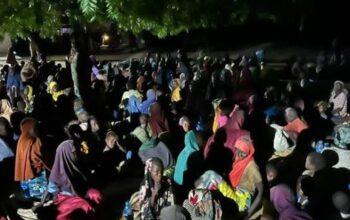
Fear and outrage have gripped communities across Kogi State following a deeply disturbing attack in the early hours of Monday, when heavily armed gunmen stormed an orphanage and took away 23 children. The incident, which unfolded under the cover of darkness, is being described by residents and officials alike as one of the most shocking assaults on vulnerable civilians in the state in recent times.
According to multiple eyewitness accounts and preliminary security reports, the attackers struck at about 1:30 in the morning, a time when the facility was at its quietest and most defenseless. The orphanage, which doubles as a school for children who have lost their parents or been displaced by conflict and hardship, quickly turned into a scene of panic and confusion as gunfire shattered the silence of the night.
Residents living close to the facility said they were jolted awake by the sound of sporadic gunshots, followed by hurried movements and muffled cries. One neighbor, who spoke on condition of anonymity, recalled how the attackers appeared highly coordinated and purposeful. According to the witness, the gunmen arrived in significant numbers and seemed to have prior knowledge of the layout of the compound. They reportedly moved directly toward the dormitories where the children were sleeping, suggesting a level of planning that has raised serious concerns among security observers.
Within a short span of time, the attackers overpowered the limited security presence at the orphanage. Sources indicate that the facility had only a skeletal security arrangement in place, which proved insufficient against the scale and sophistication of the assault. Staff members who attempted to resist or protect the children were reportedly beaten and subdued, though, as of the latest updates, no deaths have been confirmed.
Read more on: Iran Foreign Minister Arrives in Russia Amid Ongoing Stalemate in U.S. Talks
The most heartbreaking aspect of the attack remains the abduction itself. Twenty-three children, most of them in primary and junior secondary school age brackets, were forcibly taken from their sleeping quarters and marched out of the premises. Witnesses described the children as confused, frightened, and unable to comprehend what was happening as they were herded away by armed men.
After executing the operation, the gunmen reportedly fled swiftly, making their way into nearby forested areas that have long been considered difficult terrain for security forces to penetrate. Some reports suggest that the attackers used a combination of motorcycles and footpaths to escape, a tactic commonly employed by kidnapping gangs to evade capture and complicate pursuit efforts.
In the immediate aftermath of the incident, security agencies launched a coordinated response aimed at locating the abductors and securing the safe return of the children. The Kogi State Government has condemned the attack in strong terms, with Governor Ahmed Usman Ododo describing it as an act that strikes at the very heart of humanity. He has since ordered an urgent and comprehensive security operation involving both formal law enforcement units and local community groups.
Police authorities confirmed that specialized anti-kidnapping units have been deployed to the affected area. These teams are working to track the movement of the suspects and gather intelligence that could lead to a breakthrough. At the same time, local vigilante groups and hunters, who are often familiar with the terrain and hidden routes within the forests, have joined the effort. Their involvement is seen as crucial, particularly in areas where official security presence may be limited or delayed by difficult geography.
Read more on: Trump Abruptly Cancels Pakistan Peace Mission as Iran Talks Stall
A spokesperson for the Kogi State Police Command emphasized that all available resources are being mobilized to address the situation. The official assured the public that the safety of the abducted children remains the top priority and urged residents to remain calm while staying alert. Authorities have also called on anyone with useful information to come forward, stressing that community cooperation could play a decisive role in resolving the crisis.
The attack has once again brought national attention to the growing insecurity affecting parts of North Central Nigeria. In recent years, kidnapping has evolved into a persistent threat, with criminal groups increasingly targeting locations where resistance is likely to be minimal and the potential for quick success is high. Analysts have pointed out that as security measures have been strengthened along major highways and in urban centers, perpetrators are shifting their focus to softer targets such as schools, rural communities, and care facilities.
This latest incident is particularly troubling because of the nature of the victims. Orphanages are meant to serve as safe havens for children who have already experienced significant loss and hardship. The fact that such a place could be breached so easily has sparked widespread anger and concern among citizens, advocacy groups, and humanitarian organizations.
Public reaction has been swift and intense, with many Nigerians taking to social media to express their grief and frustration. Civil society groups have issued statements condemning the attack and calling for urgent reforms to protect vulnerable populations. Several organizations have argued that institutions housing children, especially those without parental protection, should be classified as high priority security locations.
Read more on: Ajadi Joins Atiku, Obi, and Kwankwaso for Major Opposition Gathering with Governor Seyi Makinde
A representative of a local non governmental organization in Lokoja described the incident as a cruel and unacceptable act. According to the group, targeting children who are already among the most vulnerable members of society reflects a disturbing level of disregard for human life. The organization has called on both state and federal authorities to take immediate steps to prevent similar occurrences in the future.
Security experts believe that addressing this challenge will require more than reactive measures. While search and rescue operations are critical in the immediate term, there is a growing consensus that preventive strategies must be strengthened. This includes improving intelligence gathering, increasing the presence of trained security personnel in high risk areas, and investing in infrastructure that can deter or delay potential attackers.
There are also calls for better collaboration between government forces and local communities. In many rural and semi urban areas, residents often possess valuable knowledge about their surroundings, including unusual movements or emerging threats. Harnessing this information effectively could help security agencies act before attacks occur rather than after the damage has been done.
Another issue that has come under scrutiny is the level of security provided to facilities like orphanages and schools. Many of these institutions operate with limited funding and are unable to afford robust protection systems. This makes them easy targets for criminal groups seeking quick gains. Stakeholders are now urging authorities to consider policies that would ensure a minimum standard of security for such establishments, possibly through government support or partnerships with private security providers.
Read more on: 30 Kwara Rulers Flee Palaces Amid Rising Kidnap Threat
As investigations continue, attention is also being paid to the possibility of insider information or surveillance by the attackers prior to the raid. The precision with which the gunmen executed their plan has led some observers to suspect that they may have conducted reconnaissance or received guidance from individuals familiar with the facility. Authorities have not confirmed this, but it remains one of the angles being explored.
For now, the focus remains firmly on the safe recovery of the abducted children. Families, caregivers, and members of the community are enduring an agonizing wait, hoping for positive news as search efforts intensify. Although no official ransom demand has been announced, security agencies are operating under the assumption that the kidnapping is financially motivated, a pattern consistent with similar incidents in the region.
The broader implications of the attack extend beyond Kogi State. It serves as a stark reminder of the vulnerabilities that still exist within the country’s security framework, particularly when it comes to protecting those who cannot protect themselves. It also highlights the urgent need for a more comprehensive and proactive approach to dealing with threats posed by organized criminal groups.
Read more on: Palestinians Hold First Elections Since Gaza War
As the situation develops, many Nigerians are watching closely, not only for updates on the fate of the abducted children but also for signs that meaningful action will be taken to prevent future tragedies. The hope is that this painful episode will lead to renewed commitment and tangible measures aimed at ensuring that places meant to offer refuge and care do not become targets of terror.
The coming days will be critical, both in terms of rescue efforts and in shaping the response that follows. For the affected community, the immediate concern is clear and deeply personal. They want the children back, safe and unharmed. Beyond that, there is a growing demand for accountability, protection, and lasting solutions to a problem that continues to cast a long shadow over daily life in many parts of the country.
Read more on: