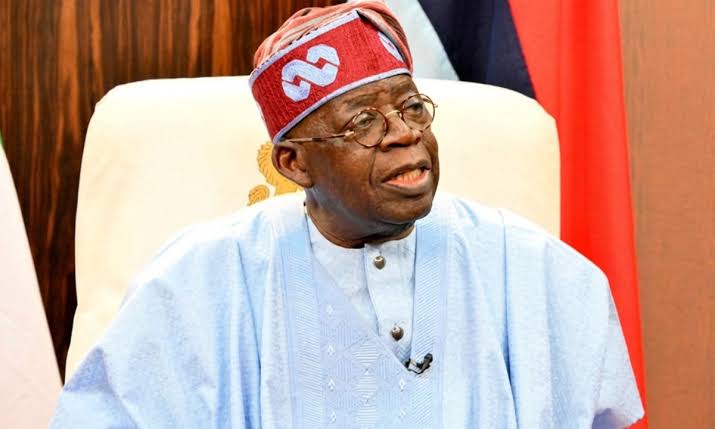
In what many lawmakers have described as a major step toward reshaping Nigeria’s infrastructure landscape, the House of Representatives on Tuesday approved President Bola Ahmed Tinubu’s request to secure a foreign loan worth 516.3 million dollars. The facility, precisely valued at 516,333,007 dollars, is intended to support the early phases of the highly ambitious Sokoto to Badagry Superhighway project, a development that has been framed as central to the administration’s broader economic vision.
The approval came during plenary with relatively swift consensus, reflecting a notable level of alignment between the executive and legislative arms of government on the importance of the project. The President’s request had only recently been formally presented before the National Assembly, yet it moved through the legislative process with little delay, an indication of the urgency and priority attached to the initiative under the current administration’s “Renewed Hope” agenda.
At the heart of this decision is a project that goes far beyond the construction of a conventional road. The Sokoto to Badagry Superhighway is being positioned as a transformative economic corridor that will physically and economically bridge Nigeria’s northern and southern regions. Spanning roughly one thousand kilometers, the highway is designed to create a seamless connection between the agricultural heartlands of the Northwest and the commercial and maritime hubs located in the Southwest, particularly Lagos.
The scale of the project alone underscores its ambition. Covering a distance that cuts across several geopolitical zones, the route will pass through Sokoto, Kebbi, Niger, Kwara, Oyo, Ogun, and Lagos States. It will begin from Illela, a border town in Sokoto State near Niger Republic, and stretch all the way to Badagry, a historic coastal town in Lagos that sits close to Nigeria’s border with Benin Republic. This alignment is deliberate, as it ties together not only internal economic routes but also potential cross border trade pathways.
Read more on: South Africa: Nigeria Demands Justice and Protection for Its Citizens After Two Killings
The specific loan approved by the House is tied to the initial segments of the highway. According to details presented to lawmakers, the funds will be used to finance Sections 1, 1A, and 1B of the project, which together account for approximately 120 kilometers of construction. These early phases are seen as critical in setting the pace and credibility of the entire undertaking. The financing itself is being sourced through a syndicated loan arrangement led by Deutsche Bank, a structure that reflects both the scale of the project and the need to draw on international financial partnerships.
Supporters of the superhighway have been quick to highlight its potential impact on Nigeria’s economic structure, particularly in addressing long standing inefficiencies in the movement of goods across the country. One of the most frequently cited benefits is the anticipated reduction in logistics costs. Currently, transporting agricultural produce from northern Nigeria to southern markets can be both time consuming and expensive, largely due to poor road conditions, congestion, and security concerns along existing routes. By providing a modern, high capacity alternative, the new highway is expected to significantly cut travel times and reduce spoilage of perishable goods.
There is also a strong argument to be made about safety improvements. Many of Nigeria’s existing highways, especially those that handle heavy commercial traffic, have deteriorated over time and are often associated with accidents and security risks. The Sokoto to Badagry Superhighway is expected to feature updated engineering standards, wider lanes, and better traffic management systems, all of which could contribute to safer travel for both commercial operators and private citizens.
Beyond the immediate logistical and safety considerations, the project is being framed as a catalyst for broader economic integration. By strengthening the link between the north and the south, the highway could help stimulate internal trade, encourage investment along its corridor, and open up new opportunities for businesses. Industrial clusters, logistics hubs, and service centers are likely to emerge along the route over time, potentially creating jobs and driving regional development.
Read more on: Sanwo-Olu Backs Deputy Governor Hamzat for Lagos 2027 Governorship Election
Lawmakers who backed the loan request have argued that such large scale infrastructure projects are essential if Nigeria is to unlock its full economic potential. They point out that the country’s size and diversity make efficient transportation networks not just desirable but necessary. Without them, the movement of goods, services, and people remains constrained, limiting productivity and growth.
However, the approval did not come without conditions. Conscious of public concerns about transparency and the management of borrowed funds, the House of Representatives attached clear oversight requirements to its decision. It directed key government institutions, including the Ministry of Finance, the Debt Management Office, and the Ministry of Works, to provide quarterly reports on the implementation of the project. These reports are expected to detail how the funds are being disbursed, the progress of construction, and any challenges encountered along the way.
This emphasis on accountability reflects a broader awareness within the legislature of the need to ensure that borrowed funds are used effectively. Nigeria’s history with large infrastructure projects has not always been smooth, with issues ranging from delays and cost overruns to outright abandonment. By insisting on regular updates, lawmakers appear to be signaling a desire to avoid repeating past mistakes.
The approval of the loan also fits into a larger fiscal context that has been the subject of intense public debate. It comes on the heels of the passage of the 2026 national budget, which is valued at an unprecedented 68.3 trillion naira. Together, these developments highlight the administration’s willingness to pursue an aggressive spending strategy aimed at driving economic growth through infrastructure investment.
Read more on: Gunmen Invade Kogi Orphanage, Kidnap 23 Children in Midnight Raid
Supporters of this approach argue that it represents a necessary shift toward what is often described as “borrow to grow.” The idea is that strategic borrowing, when directed toward productive investments, can generate returns that outweigh the cost of servicing the debt. In the case of the Sokoto to Badagry Superhighway, proponents believe that improved connectivity will lead to increased trade, higher productivity, and ultimately greater revenue for the government.
Critics, however, have raised concerns about the implications of continued borrowing for Nigeria’s debt profile. They warn that without careful management, the country could face increased pressure on its finances, particularly if projected economic benefits take longer than expected to materialize. Questions have also been raised about the terms of the loan, including interest rates and repayment schedules, although officials have maintained that the financing arrangement is sustainable.
The Tinubu administration has remained firm in its position that infrastructure development is a non negotiable priority. Officials argue that the cost of inaction would be far greater than the risks associated with borrowing. They point to the country’s infrastructure deficit as a major barrier to growth and insist that closing this gap is essential for long term prosperity.
Construction activities on parts of the superhighway have reportedly already begun, even as the financing arrangements are being finalized. This overlap between planning and execution underscores the urgency with which the government is approaching the project. The target is to deliver major portions of the highway by 2027, a timeline that aligns with the current administration’s tenure and adds a layer of political significance to the project’s progress.
Read more on: Iran Foreign Minister Arrives in Russia Amid Ongoing Stalemate in U.S. Talks
For communities along the proposed route, the highway represents both an opportunity and a source of uncertainty. On one hand, improved access could bring economic benefits, including increased trade and better access to markets, education, and healthcare. On the other hand, there are concerns about issues such as land acquisition, displacement, and environmental impact, which will need to be carefully managed to ensure that the benefits of the project are widely shared.
As the project moves forward, much will depend on how effectively it is implemented. Large scale infrastructure initiatives often face a range of challenges, from technical and logistical issues to financial and administrative hurdles. The success of the Sokoto to Badagry Superhighway will likely hinge on the ability of the government and its partners to navigate these challenges while maintaining transparency and accountability.
In the broader scheme of things, the approval of the 516.3 million dollar loan marks an important milestone in Nigeria’s ongoing effort to modernize its infrastructure. It reflects a recognition that economic growth is closely tied to the quality of a country’s physical networks and that significant investment is required to bring these networks up to standard.
Read more on: Trump Abruptly Cancels Pakistan Peace Mission as Iran Talks Stall
Whether the superhighway ultimately delivers on its promise remains to be seen, but its potential impact is undeniable. If completed as envisioned, it could redefine how goods and people move across Nigeria, strengthen economic ties between regions, and position the country for greater participation in regional and global trade.
For now, the focus shifts from approval to execution. The coming months and years will provide a clearer picture of how this ambitious project unfolds and whether it can live up to the expectations that have been set for it.
Read more on:
- Ajadi Joins Atiku, Obi, and Kwankwaso for Major Opposition Gathering with Governor Seyi Makinde
- 30 Kwara Rulers Flee Palaces Amid Rising Kidnap Threat
- Palestinians Hold First Elections Since Gaza War
- Middle East Crisis: Recent Developments
- Lagos Police Arrest Cameroonian Cyber Fraud Kingpin in INTERPOL Raid
- Police Arrest “One Chance” Robbery Gang, Recover Guns and Stolen Items in Asaba