Relations between Nigeria and South Africa have once again come under strain following the deaths of two Nigerian nationals in separate encounters involving South African security operatives. The incidents, which occurred just days apart, have sparked outrage within diplomatic circles and renewed anxiety among Nigerians living in South Africa, many of whom already feel vulnerable amid recurring concerns about xenophobia and discrimination.
The Federal Government of Nigeria has reacted firmly, calling for immediate and transparent investigations into the circumstances surrounding both deaths. Officials in Abuja have also stressed the need for stronger protections for Nigerian citizens abroad, warning that the pattern of alleged abuse and profiling cannot be ignored any longer. While tensions between the two African powerhouses are not new, this latest development has brought old wounds back into the spotlight.
The Nigerian Consulate General in Johannesburg confirmed the identities of the victims and provided preliminary details that have only deepened concerns. According to the Consulate, the two men died under troubling conditions that point to possible misconduct by authorities who are meant to enforce the law.
Read more on: Sanwo-Olu Backs Deputy Governor Hamzat for Lagos 2027 Governorship Election
One of the victims, Amaramiro Emmanuel, reportedly died after sustaining severe injuries during an encounter with members of the South African National Defence Force in Port Elizabeth on April 20, 2026. Early accounts suggest that he may have been subjected to a violent assault, though the full details of the incident remain under investigation. His death has raised serious questions about the conduct of military personnel in civilian environments and the extent to which force was used.
The second victim, Ekpenyong Nnaemeka Mathew Andrew, was a motor mechanic based in Pretoria and a father of five. His story has resonated deeply with many Nigerians both at home and abroad, not only because of the tragic outcome but also because of the circumstances leading up to his death. He was reportedly arrested by members of the Tshwane Metro Police on April 19. Less than 24 hours later, his body was discovered at the Pretoria Central Mortuary. The sequence of events has left many unanswered questions, particularly regarding what happened while he was in custody.
For many observers, the fact that both men died following encounters with security personnel is deeply troubling. It has reinforced long-standing fears about the treatment of foreign nationals, especially Nigerians, within certain parts of South Africa. Over the years, reports of harassment, profiling, and violence have surfaced repeatedly, often triggering diplomatic protests and public outrage.
In response to the latest incidents, Nigeria’s Consul-General in Johannesburg, Ambassador Ninikanwa Okey-Uche, issued a strongly worded statement condemning the deaths and emphasizing the importance of due process. He made it clear that while Nigeria respects South Africa’s right to enforce its laws, such enforcement must always be carried out within the boundaries of legality and human rights.
Read more on: Gunmen Invade Kogi Orphanage, Kidnap 23 Children in Midnight Raid
He stressed that no individual should be subjected to extrajudicial treatment, regardless of the allegations against them. According to him, every suspect is entitled to be presumed innocent until proven guilty in a court of law. The use of force outside established legal frameworks, he warned, undermines the rule of law and damages trust between nations.
The Nigerian government has outlined several key demands in light of the situation. Foremost among them is the call for an impartial and expedited investigation into both cases. Authorities have specifically urged South Africa’s Independent Police Investigative Directorate to take the lead and ensure that the truth is uncovered without delay. There is also a strong push for accountability, with Nigerian officials insisting that any officers found culpable must face prosecution.
Another major concern raised by the Nigerian mission is the issue of profiling. There is a growing perception among Nigerians in South Africa that they are often unfairly labeled or targeted due to stereotypes linking them to criminal activity. The Consulate has warned that such generalizations are dangerous and only serve to deepen divisions, urging South African authorities to address the problem decisively.
The international community has also taken notice of the developments. United Nations Secretary-General António Guterres expressed concern over what he described as ongoing xenophobic tendencies and acts of harassment in certain parts of South Africa. His remarks highlight the broader implications of the crisis, suggesting that it is not just a bilateral issue but one that touches on fundamental questions of human rights and regional solidarity.
Read more on: Iran Foreign Minister Arrives in Russia Amid Ongoing Stalemate in U.S. Talks
Guterres pointedly referenced South Africa’s own history, reminding the country that its fight against apartheid was supported by many African nations, including Nigeria. That legacy of solidarity, he implied, should serve as a guiding principle in how South Africa treats fellow Africans within its borders today.
Within South Africa itself, the government has attempted to strike a balanced tone. In a recent Freedom Day address, President Cyril Ramaphosa acknowledged the complexities surrounding migration and law enforcement while urging restraint on all sides. He called on foreign nationals to respect local laws and customs but also cautioned South Africans against allowing frustrations over migration to manifest as hostility or violence.
Despite these assurances, there is mounting pressure on South African authorities to demonstrate that justice will be done in these cases. The South African Police Service has confirmed that a murder investigation has been opened in connection with Andrew’s death, providing a case reference number as evidence of official action. However, for many Nigerians, such steps are only the beginning. What they seek is not just an investigation but a credible process that leads to accountability and reform.
Back in Nigeria, the incidents have sparked widespread reactions across social media and civil society groups. Many have called on the government to take a firmer stance in protecting its citizens abroad, including the possibility of diplomatic measures if the situation does not improve. Others have emphasized the need for continued engagement and dialogue, arguing that both countries must work together to address the root causes of these recurring tensions.
Read more on: Trump Abruptly Cancels Pakistan Peace Mission as Iran Talks Stall
For Nigerians currently living in South Africa, the situation is particularly delicate. The Consulate has issued advisories urging calm and caution, recognizing the risk that heightened emotions could lead to further conflict. Citizens have been advised to remain law-abiding, ensure that their documentation is in order, and stay informed through official channels.
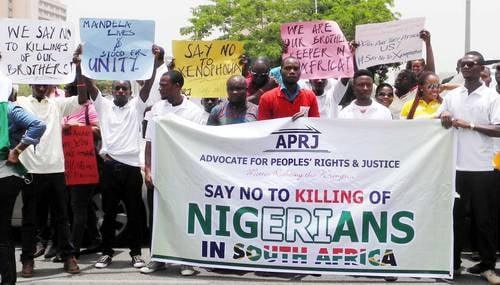
There is also an emphasis on avoiding areas where protests or unrest may occur, as such environments can quickly become unpredictable. The Consulate has reassured Nigerians that it is closely monitoring the situation and is prepared to provide support where needed, particularly to the families of the victims.
At a deeper level, the tragedy has reignited conversations about what it means to be African in a continent that continues to grapple with issues of identity, migration, and economic inequality. While South Africa remains one of the continent’s most developed economies and a major destination for migrants, it also faces internal challenges that sometimes spill over into tensions with foreign communities.
The deaths of Amaramiro Emmanuel and Ekpenyong Andrew are not just isolated incidents; they are part of a larger narrative that has unfolded over many years. Each new case adds to a growing sense of unease and underscores the urgent need for systemic change.
Read more on: Ajadi Joins Atiku, Obi, and Kwankwaso for Major Opposition Gathering with Governor Seyi Makinde
Ultimately, the path forward will depend on the actions taken in the coming days and weeks. If South African authorities are able to conduct thorough and transparent investigations, hold those responsible accountable, and implement measures to prevent future abuses, it could help rebuild trust and ease tensions. On the other hand, any perception of inaction or impunity could further strain relations and deepen the divide.
For now, the focus remains on justice for the victims and reassurance for those who fear they could be next. The situation serves as a stark reminder that the principles of fairness, dignity, and respect must be upheld at all times, regardless of nationality. As both nations navigate this difficult moment, the hope is that it will lead not just to accountability, but to a renewed commitment to protecting the rights of all Africans, wherever they may be.
Read more on:
- 30 Kwara Rulers Flee Palaces Amid Rising Kidnap Threat
- Palestinians Hold First Elections Since Gaza War
- Middle East Crisis: Recent Developments
- Lagos Police Arrest Cameroonian Cyber Fraud Kingpin in INTERPOL Raid
- Police Arrest “One Chance” Robbery Gang, Recover Guns and Stolen Items in Asaba
- Anambra APC Dismiss Alliance Rumours with APGA