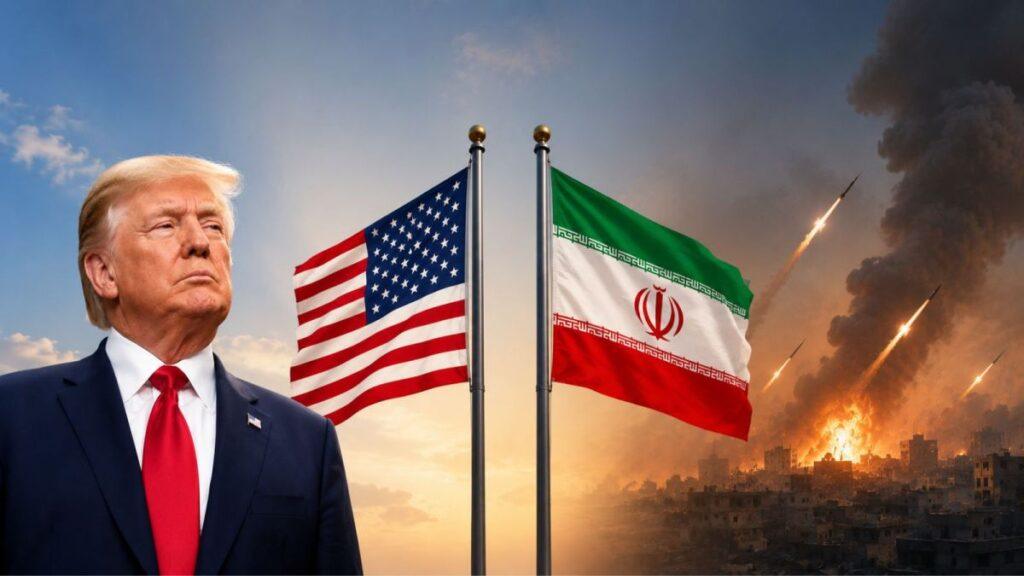
Global attention is once again fixed on Washington and Tehran as the United States and Iran move closer to what could become a major diplomatic turning point. After months of intense and destructive confrontation that has destabilised parts of the Middle East and driven up global oil prices, both sides have reportedly agreed in principle to a draft Memorandum of Understanding aimed at halting the conflict and opening the door to broader peace negotiations.
At the centre of the proposed agreement is a 60-day ceasefire extension designed to pause hostilities while creating space for structured talks on a long-term settlement. The draft framework also outlines the reopening of critical maritime routes and the gradual return to nuclear negotiations, marking what diplomats describe as the most significant progress since the crisis began.
Despite the apparent breakthrough at the negotiating table, the deal has not yet been finalised. The responsibility now rests with US President Donald Trump, who on Friday held high-level consultations in the White House Situation Room with his senior advisers to review the terms in detail before making a final determination.
The Structure of the Proposed 60-Day Arrangement
According to information circulating from diplomatic sources and early reports from international outlets, the agreement is structured as a phased roadmap intended to reduce immediate tensions while laying the groundwork for a permanent peace accord.
The first and most urgent element of the plan focuses on stabilising maritime security. Iran would be required to reopen the Strait of Hormuz fully to commercial shipping, restoring one of the world’s most important energy corridors. During the conflict, the waterway had become heavily militarised, with reports of blockades and the laying of naval mines disrupting global trade routes.
Under the proposed terms, Tehran would also be responsible for clearing all mines from the strait within 30 days. In addition, Iran would relinquish any intention of imposing transit tolls or restrictions on international vessels moving through the waterway.
On the nuclear issue, the draft framework calls for Iran to commit firmly against developing nuclear weapons. The early phase of the 60-day window would be dedicated to negotiating a suspension of uranium enrichment activities, alongside the establishment of verification mechanisms that could allow the United States and international partners to account for and dismantle highly enriched uranium stockpiles.
Read more on: Fubara Marks Third Anniversary, Reaffirms Commitment to Rapid Development
Concessions Expected from the United States
In exchange, the United States is expected to ease several key restrictions that have significantly impacted Iran’s economy during the conflict. A naval blockade imposed on Iranian ports, which has contributed to severe economic pressure, would be lifted under the agreement.
Washington is also considering targeted sanctions relief, particularly measures that would allow Iran to resume oil exports in the global market. In addition, discussions are underway regarding the gradual unfreezing of Iranian financial assets held abroad, although these would likely come with strict conditions.
Humanitarian assistance would also form part of the package, with proposals for structured channels to ensure the delivery of food, medicine and essential supplies into Iran as part of confidence building measures.
Inside the White House Review Process
Although negotiators from both sides have reportedly reached a preliminary understanding, the agreement has been paused at the executive level in Washington. President Trump has taken a particularly hands on approach, publicly signalling through his Truth Social platform that certain conditions must still be met before he is willing to endorse the deal.
Among the concerns raised are demands for stronger guarantees that Iran will allow access to and neutralisation of sensitive nuclear facilities. The question of how frozen assets would be handled has also become a sticking point, with the US administration seeking tighter restrictions and more oversight.
Vice President JD Vance confirmed late Thursday that discussions remain active and fluid, noting that while significant progress has been made, several technical and legal details are still being refined. He also indicated that the president is taking additional time to carefully evaluate the full framework before making a final decision.
Read more on: Wike-Aligned PDP Faction Rejects Jonathan’s Alleged 2027 Presidential Bid
Tehran’s Measured Response
In Iran, officials have adopted a more cautious and guarded tone. While there are indications that negotiators in Tehran had secured internal backing to move forward with the draft agreement, state media has pushed back against any suggestion that a final settlement has been reached.
Iranian representatives have reiterated that while they are open to de-escalation, they are unwilling to fully surrender stockpiles of highly enriched uranium without strong guarantees that sanctions relief will be permanent and enforceable.
President Masoud Pezeshkian has also restated Iran’s position that the country does not seek nuclear weapons. However, he stressed that any durable peace must respect Iran’s sovereignty and ensure that agreements are balanced rather than one sided.
Global Markets Watch Closely
Beyond the political implications, global financial markets are closely monitoring developments. The conflict has already disrupted energy supply chains and contributed to inflationary pressure in several economies.
Following reports of the draft understanding, oil markets showed signs of slight stabilisation as traders reacted cautiously to the possibility of de-escalation. US Treasury Secretary Scott Bessent suggested that a fully signed agreement could quickly ease pressure on global oil prices, potentially offering relief to both consumers and businesses worldwide.
What Comes Next
If the agreement is approved, US military assets currently deployed in the region are expected to remain in place throughout the 60-day ceasefire period to ensure compliance and deter violations. A phased withdrawal would only begin once a comprehensive and lasting peace treaty is successfully concluded.
Diplomatic observers anticipate a final decision from the White House in the coming days. For a world grappling with economic strain and prolonged instability, the prospect of a sustained truce represents a moment of cautious hope, even as key details remain unresolved.
Read more on: