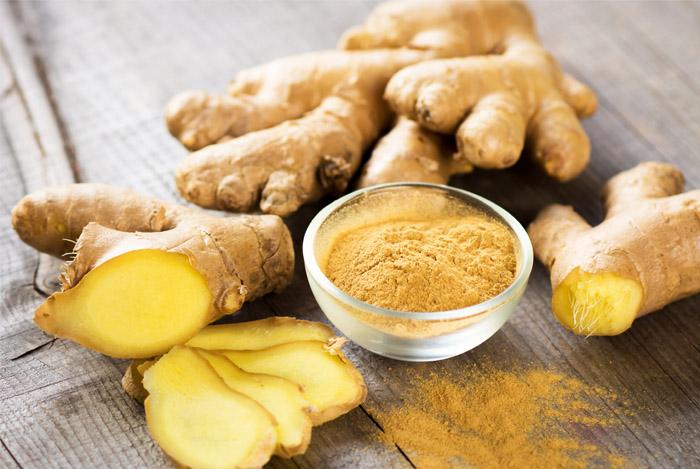
If there is one ingredient that quietly sits in kitchens across the world while delivering outsized health value, it is ginger. That knobby, aromatic root often tossed into soups, teas, and stir-fries is far more than a flavor enhancer. For centuries, ginger has held a respected place in traditional healing systems across Africa and Asia, where it was used to treat everything from stomach discomfort to colds and inflammation.
Today, modern research has caught up with this ancient wisdom. In fact, in recent global scientific reassessments of medicinal plants, ginger (Zingiber officinale) has been increasingly highlighted as one of the most powerful natural therapeutic agents available through everyday diet. Scientists attribute its effects to its rich concentration of bioactive compounds, especially gingerols, shogaols, and zingerone. These compounds are known for their strong antioxidant activity, anti-inflammatory effects, and antimicrobial properties, which collectively contribute to many of ginger’s widely reported health benefits.
With more people now turning toward natural approaches to wellness and preventive health, ginger continues to stand out as a reliable and accessible option. Below are five well-documented, science-supported ways ginger can contribute to better health when included regularly in the diet.
Effective Relief for Nausea and Motion Sickness

One of the most well-established uses of ginger is its ability to ease nausea. Whether it is caused by pregnancy, travel, or medical treatments, ginger has consistently shown positive results in reducing the sensation of vomiting and stomach upset.
What makes ginger particularly interesting is how it works in the body. Instead of acting on the brain like many conventional anti-nausea medications, ginger primarily influences the digestive system directly. It helps speed up gastric emptying, meaning food moves more efficiently through the stomach. This reduces the likelihood of the lingering fullness and discomfort that often leads to nausea.
Medical organizations have also acknowledged this benefit. For instance, professional obstetric guidelines recognize ginger as a supportive, non-pharmaceutical option for managing morning sickness during pregnancy. In addition, clinical studies have shown that ginger can significantly reduce symptoms of motion sickness, including dizziness and queasiness during travel. It has also been explored in supportive care for patients undergoing chemotherapy, where nausea is a common side effect.
Read more on: What Really Happens When You Eat Unwashed Fruits With Pesticide Residue
Natural Support for Pain Reduction and Inflammation Control

Another major benefit of ginger lies in its anti-inflammatory properties. Chronic inflammation is a key factor behind many health conditions, including arthritis, muscle pain, and long-term joint stiffness. Ginger contains compounds that help regulate inflammatory responses in the body, particularly [6]-gingerol, which plays a central role in reducing the production of pro-inflammatory molecules.
In practical terms, this means ginger may act in a way that is somewhat similar to non-prescription anti-inflammatory drugs, though in a more gradual and natural manner. People who suffer from osteoarthritis have reported improvements in joint comfort and mobility after consistent ginger consumption. It has also been shown to help reduce muscle soreness following intense physical activity, making it useful for athletes or individuals who engage in regular exercise.
In addition, ginger has gained attention for its effectiveness in easing menstrual discomfort. Studies suggest that when taken during the early days of the menstrual cycle, ginger can help reduce the intensity of cramps by calming uterine contractions and lowering inflammation in surrounding tissues.
Improved Digestion and Reduction of Bloating

Digestive discomfort is a common issue for many people, especially after heavy meals or irregular eating patterns. Ginger has long been used as a natural remedy for indigestion, and modern science supports this traditional application.
One of ginger’s key actions is its ability to stimulate the digestive system. It encourages the production of digestive enzymes and promotes smoother movement of food through the gastrointestinal tract. This helps reduce the buildup of gas and prevents the uncomfortable feeling of bloating that often follows large meals.
Drinking ginger tea after eating can be particularly beneficial. The warmth combined with ginger’s active compounds helps calm the stomach, reduce fermentation in the gut, and support overall digestive balance. For individuals recovering from illness or experiencing temporary loss of appetite, ginger has also been shown to gently stimulate hunger and make eating more comfortable.
Read more on: What Happens to Your Body When You Don’t Drink Enough Water
Support for Weight Management and Metabolic Function

As lifestyle-related conditions such as obesity and metabolic syndrome continue to rise globally, interest in natural metabolic support has increased. Ginger has been studied in this context and shows promising results when used alongside a healthy diet and active lifestyle.
Research reviews have found that regular intake of ginger may contribute to modest reductions in body weight, waist circumference, and body fat distribution. While it is not a magic solution for weight loss, it appears to support metabolic processes that help the body manage energy more efficiently.
One of the ways ginger may contribute to this effect is by influencing blood sugar regulation. Some studies suggest that ginger can improve insulin sensitivity, allowing the body to use glucose more effectively. This may help stabilize energy levels throughout the day and reduce sudden spikes and crashes in blood sugar that often lead to cravings and overeating.
Relief from Cold Symptoms and Support for Respiratory Health

Ginger is widely known as a comforting remedy during cold and flu season. Many households traditionally prepare ginger tea mixed with honey and lemon at the first sign of a sore throat or nasal congestion, and this practice is backed by both experience and emerging scientific understanding.
Ginger contains compounds that exhibit antiviral and antimicrobial activity against certain respiratory pathogens. While it is not a substitute for medical treatment, it may help support the body’s natural defense mechanisms and reduce the severity of mild respiratory symptoms.
In addition, ginger acts as a natural expectorant. This means it helps loosen mucus in the airways, making it easier to clear congestion from the throat and chest. Its warming properties also promote circulation and may provide relief from chills, coughs, and mild fever symptoms commonly associated with upper respiratory infections.
Read more on: How It’s Possible to Be Pregnant Without Realizing It
Practical Guide to Ginger Consumption
Ginger is safe and beneficial when consumed in everyday culinary amounts, such as in soups, teas, sauces, and smoothies. However, when used for therapeutic purposes, dosage becomes important.
Fresh ginger root is often recommended at about one to two teaspoons per day, which is roughly three to four grams. This amount is generally sufficient to support digestive health, immunity, and general wellness when taken consistently.
Ginger tea is another popular method of consumption, and drinking two to three cups daily can be helpful for easing nausea, improving digestion, and soothing respiratory discomfort. For those who prefer more concentrated forms, ginger capsules or supplements are sometimes used in doses ranging from half a gram to one and a half grams per day, particularly for managing joint pain or menstrual cramps.
It is important to note that while ginger is generally safe, it is not without considerations. Because it may slightly thin the blood and influence blood sugar levels, individuals who are already taking blood-thinning medication or diabetes drugs should be cautious with high-dose supplementation. In such cases, sticking to normal dietary amounts is usually recommended unless otherwise advised by a healthcare professional. Pregnant individuals should also seek medical guidance before using concentrated ginger supplements regularly, especially close to delivery.
In summary, ginger remains one of the most versatile and scientifically supported natural ingredients available today. Its benefits extend across digestion, pain relief, immune support, metabolic health, and respiratory comfort. When used wisely and consistently, it can serve as a simple yet powerful addition to a balanced lifestyle.
Read more on: