Hypertension, also known as high blood pressure, is one of the most common yet quietly dangerous health conditions in the world. It is often referred to as the “silent killer” because it can develop over time without obvious symptoms while steadily damaging the heart, brain, kidneys, and blood vessels.
Globally, hypertension is a major contributor to heart disease, stroke, and kidney failure. Many people are unaware they have it until complications begin to appear.
A normal blood pressure reading is generally below 120/80 mm Hg, while readings consistently above 130/80 mm Hg may indicate hypertension depending on overall health and risk factors.
The encouraging reality is that hypertension is highly manageable in many cases. Lifestyle habits play a major role in both prevention and control. With consistent daily choices, blood pressure can often be improved naturally alongside medical care where necessary.
Below are practical, evidence-based lifestyle habits that support healthy blood pressure levels.
Focus on a Heart-Friendly Diet: Reduce Sodium and Increase Potassium
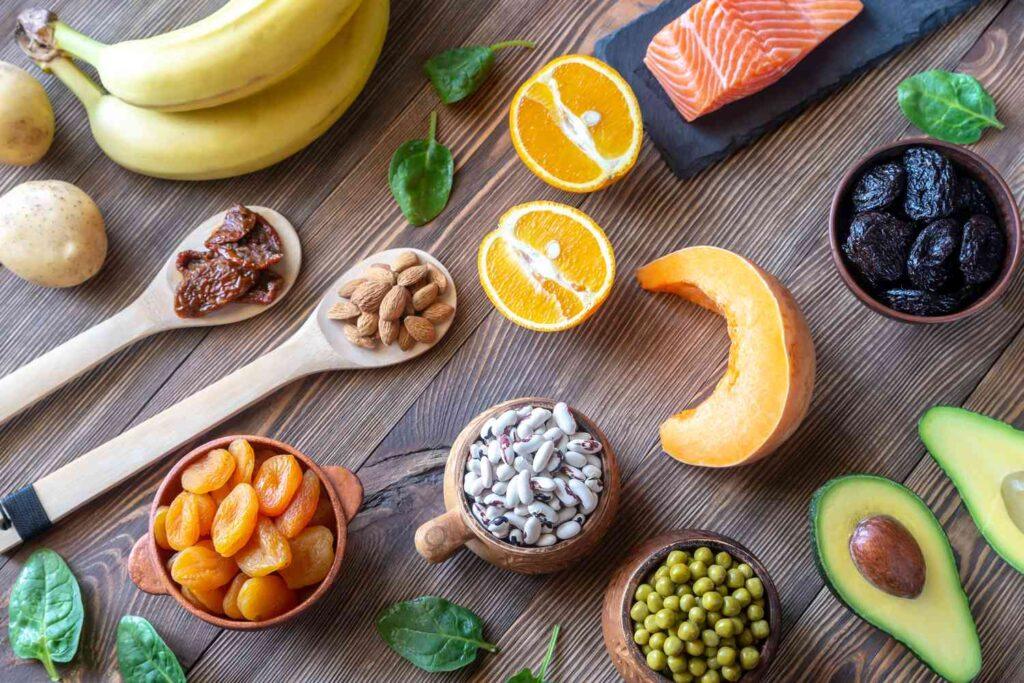
Diet is one of the strongest influences on blood pressure. The key is balancing sodium and potassium intake.
Sodium, commonly found in salt and processed foods, causes the body to retain excess water. This increases blood volume and puts pressure on blood vessels, making the heart work harder. The American Heart Association recommends limiting sodium intake to about 1,500 mg per day for optimal heart health, while general guidelines suggest staying under 2,300 mg.
Unfortunately, most people consume too much sodium through processed foods, fast foods, seasoning cubes, canned products, and packaged snacks.
Potassium helps counteract sodium by supporting the kidneys in removing excess salt and relaxing blood vessel walls. This helps reduce blood pressure naturally.
Foods rich in potassium include bananas, avocados, sweet potatoes, spinach, oranges, beans, and other fresh vegetables.
A practical approach is to reduce processed foods and focus more on fresh, home-cooked meals. Instead of relying heavily on salt, enhance flavor with natural spices such as garlic, ginger, turmeric, onion, and black pepper.
Read more on: The Hidden Risks of Taking Painkillers Too Often
Stay Active with Regular Weekly Exercise

Physical activity is one of the most effective natural ways to manage blood pressure. Exercise strengthens the heart, allowing it to pump blood more efficiently with less effort, which reduces pressure on arteries.
Health experts recommend at least 150 minutes of moderate exercise per week. This can be broken into 30 minutes per day, five days a week.
You do not need intense workouts to benefit. Activities like brisk walking, cycling, swimming, dancing, or light jogging are all effective.
The most important factor is consistency. Even simple daily movement can significantly improve cardiovascular health over time.
Adding strength training two times a week also supports healthy blood pressure by improving muscle function, metabolism, and weight control. In many cases, a single workout session can lower blood pressure temporarily for up to 24 hours.
Prioritize Quality Sleep

Sleep plays a critical role in regulating blood pressure. During deep sleep, blood pressure naturally drops, giving the heart and blood vessels time to recover.
Poor sleep or insufficient rest keeps the body in a constant stress state, which can lead to higher blood pressure over time. Sleep disorders such as sleep apnea can also cause repeated spikes in blood pressure during the night.
To support heart health, aim for 7 to 9 hours of quality sleep every night.
Improving sleep habits can include maintaining a consistent bedtime, avoiding screens before sleep, reducing caffeine intake in the afternoon, and creating a quiet, dark, and comfortable sleep environment.
Read more on: 5 Science-Backed Health Benefits of Ginger
Manage Stress Effectively

Chronic stress is a major contributor to high blood pressure. When the body is stressed for long periods, it releases hormones like cortisol and adrenaline, which increase heart rate and narrow blood vessels.
Modern life often exposes people to continuous stress from work, finances, and daily responsibilities. Without proper management, this can place long-term strain on the cardiovascular system.
Relaxation techniques help activate the body’s calming system and reduce blood pressure naturally.
Simple practices such as deep breathing, meditation, yoga, or short breaks during the day can make a difference. A helpful breathing method is to inhale for four seconds, hold for four seconds, and exhale for six seconds. Practicing this for a few minutes daily can help lower tension and heart rate.
Be Mindful of Alcohol, Caffeine, and Smoking

What you consume has a direct impact on blood pressure.
Alcohol, when taken in excess, can raise blood pressure and reduce the effectiveness of medications. If consumed, it should be kept within moderate limits.
Caffeine may cause temporary spikes in blood pressure, especially in people who are sensitive or consume large amounts through coffee or energy drinks.
Nicotine is particularly harmful. Smoking causes immediate increases in blood pressure and long-term damage to blood vessels. Quitting smoking is one of the most effective ways to improve heart health.
Read more on: What Really Happens When You Eat Unwashed Fruits With Pesticide Residue
Tracking Blood Pressure Regularly
Monitoring blood pressure helps you understand your health status and track progress over time. Readings are measured in millimeters of mercury (mm Hg) and include two numbers: systolic (top) and diastolic (bottom).
| Category | Systolic | Diastolic | Meaning |
| Normal | Below 120 | Below 80 | Maintain healthy habits |
| Elevated | 120–129 | Below 80 | Improve lifestyle habits |
| Stage 1 Hypertension | 130–139 | 80–89 | Medical advice recommended |
| Stage 2 Hypertension | 140+ | 90+ | Requires medical attention |
Regular home monitoring using a validated device helps track changes and guide lifestyle decisions.
Conclusion: Small Steps Lead to Big Results
Managing hypertension naturally is not about extreme changes but consistent small habits. Eating healthier foods, staying active, sleeping well, managing stress, and avoiding harmful substances all work together to protect the heart.
Over time, these small actions build a strong foundation for long-term health and reduced risk of complications.
Read more on: