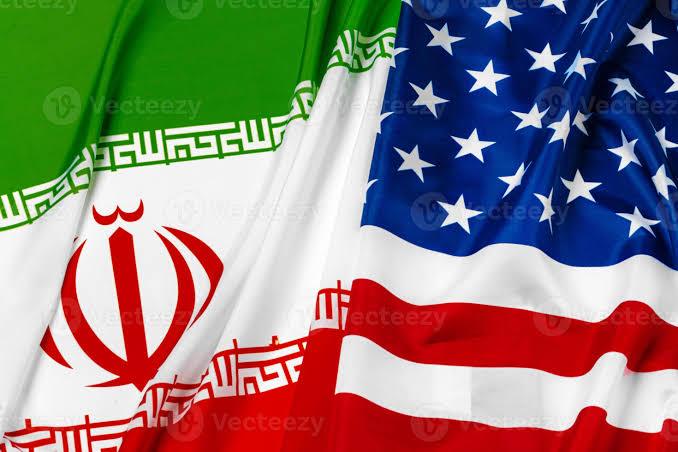
The already fragile ceasefire that was meant to ease tensions in a three-month-old conflict across the Middle East has suffered a serious setback, following a fresh round of direct military exchanges between the United States and Iran. Despite ongoing diplomatic contacts and backchannel negotiations, both sides have once again resorted to force, underscoring just how unstable the current peace efforts have become.
What was initially presented as a temporary pause in hostilities has now evolved into a dangerous cycle of retaliation. Each action is met with a response, and the situation continues to spiral, raising alarm across the international community. With key shipping routes still disrupted and violence spreading across multiple locations, fears are growing that the conflict could widen further.
Weekend Incident Sparks Renewed Escalation
The latest surge in tensions began over the weekend after Iran reportedly shot down a U.S. MQ-1 drone operating over international waters. The incident quickly triggered a military response from Washington.
The United States Central Command, known as CENTCOM, announced what it described as “measured and deliberate self-defense strikes” targeting Iranian military infrastructure along the Gulf coast. The strikes reportedly focused on areas including the coastal city of Geruk and Qeshm Island.
According to CENTCOM, the operation resulted in the destruction of several key assets, including Iranian air defense systems, a ground control facility, and two one-way attack drones. U.S. officials framed the action as a necessary response intended to deter further attacks and protect American personnel operating in the region.
Read more on: Opposition Leaders Intensify Coalition Talks Ahead of 2027 Elections
Iranian Countermoves and Regional Spillover
Iran responded shortly after with its own military action, further escalating the situation. The Islamic Revolutionary Guard Corps, or IRGC, launched ballistic missiles from Khuzestan province, reportedly targeting an airbase used by U.S. forces.
Although Iranian authorities did not initially specify the location, the Kuwaiti military later confirmed that its air defense systems had intercepted multiple incoming missiles and drones. The incident triggered air raid alerts across parts of Kuwait, highlighting how quickly the conflict has expanded beyond its original zones of engagement.
CENTCOM later stated that it successfully intercepted two Iranian ballistic missiles aimed at locations hosting American troops. In response, Kuwait’s foreign ministry issued a strongly worded statement, holding Iran fully responsible for what it described as serious violations of its sovereignty and security.
Why Diplomatic Efforts Are Struggling
These renewed clashes come at a particularly sensitive moment, as international mediators continue attempts to revive stalled peace negotiations. However, progress has been slow, with major disagreements still unresolved and trust between both sides at a very low point.
Despite public optimism from some political leaders, including comments by U.S. President Donald Trump suggesting that a deal remains possible, the situation on the ground tells a different story. Diplomatic efforts appear to be increasingly disconnected from the reality of ongoing military activity.
Several core issues continue to block meaningful progress. One of the most significant is the dispute over Iran’s nuclear program. The United States has pushed for strict limitations and the dismantling of Iran’s enriched uranium stockpile, while Iranian officials insist that broader economic and political concessions must come first, including the unfreezing of approximately 12 billion dollars in assets.
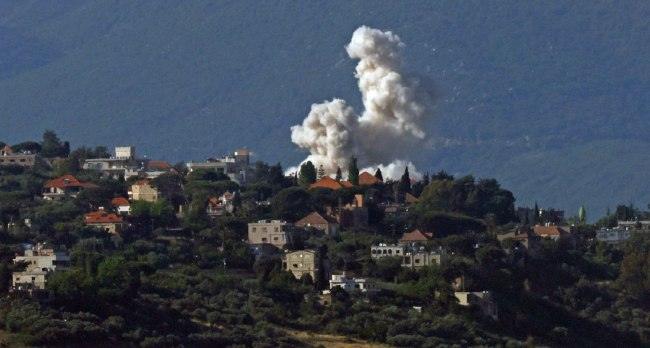
Another major sticking point involves regional conflicts, particularly the situation in Lebanon. Iran has linked any potential agreement with the United States to developments involving Israel’s military operations in the region. Israeli strikes on areas around Beirut have further complicated negotiations, with Tehran viewing the United States and Israel as closely aligned in their strategic objectives.
At the same time, Iranian officials continue to accuse Washington of shifting its demands and maintaining inconsistent negotiation positions. According to Iranian representatives, this lack of clarity has made meaningful progress extremely difficult.
Read more on: NUT Launches Indefinite Strike in Oyo Over Kidnapped Teachers and Students
Widening Economic Concerns Across the Globe
Beyond the immediate military confrontation, the broader global implications are becoming increasingly serious. One of the most significant concerns is the disruption of maritime traffic through the Strait of Hormuz, a critical passageway for global energy supplies.
Iran’s restrictions in the area, combined with increased U.S. naval activity, have created a volatile situation in one of the world’s most important shipping routes. Roughly one fifth of global oil and liquefied natural gas passes through this corridor, meaning any prolonged disruption could have far reaching consequences.
Energy markets have already begun to react, with prices rising amid uncertainty over supply stability. In addition to oil and gas, global agricultural systems are also under pressure, as the Gulf region plays a major role in the production and export of chemical fertilizers. Experts warn that continued instability could eventually lead to broader food supply challenges in several regions of the world.
International Response and What Comes Next
The United Nations Security Council is expected to convene an emergency session to address the escalating conflict and the breakdown in diplomatic progress. Global leaders are increasingly calling for restraint, warning that continued military exchanges could lead to a wider regional war with significant international consequences.
While some Western governments continue to encourage a diplomatic resolution, the path forward remains uncertain. The combination of military retaliation, unresolved political disputes, and deep mutual distrust has made negotiations extremely fragile.
For now, the situation remains highly volatile. With both sides continuing to exchange strikes and neither appearing willing to significantly shift their positions, the ceasefire in place exists largely in name. The risk of further escalation remains high, and the coming days are likely to determine whether diplomacy can regain control or whether the conflict drifts further into open confrontation.
Read more on:
- US-Iran Ceasefire Talks Advance as Trump Reviews 60-Day Truce and Nuclear Deal Framework
- Fubara Marks Third Anniversary, Reaffirms Commitment to Rapid Development
- Wike-Aligned PDP Faction Rejects Jonathan’s Alleged 2027 Presidential Bid
- APC Faults Makinde’s Security Strategy as Kidnappings and Attacks Shake Oyo State