A sudden surge of diplomatic activity has placed the Middle East at the center of global attention once again, as President Donald Trump announced two major developments that could reshape the region’s political trajectory. Within a 24 hour period, the former and current US President declared that Israel and Lebanon are preparing for direct communication for the first time in more than three decades, while also suggesting that the ongoing conflict involving Iran is approaching its final phase.
The twin announcements, delivered through a mix of Truth Social posts and media interviews, have been described by analysts as a moment of intense “shadow diplomacy,” where public statements, military pressure, and backchannel negotiations appear to be moving in parallel. With a fragile ceasefire window nearing expiration, the world is now watching closely to see whether these claims signal genuine breakthroughs or strategic positioning ahead of further escalation.
A Historic Break in a 34 Year Silence
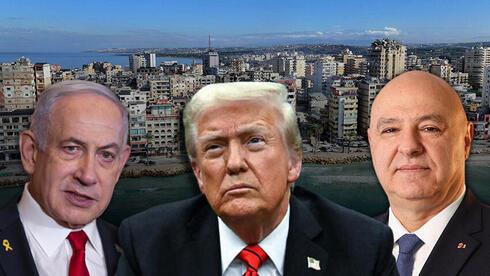
The most immediate development came from a late night message posted on Truth Social, where President Trump announced that the leaders of Israel and Lebanon would be speaking directly on Thursday. The message, brief but striking, immediately captured global attention and sparked intense discussion among diplomats and analysts.
In his post, Trump stated that he was working to create what he described as “a little breathing room” between the two countries, adding that it had been approximately 34 years since their leaders last engaged in direct communication. He concluded the message by confirming that the call would take place the following day, ending with his now familiar casual remark, “Nice.”
The announcement has been widely interpreted as referring to a level of engagement not seen since the early 1990s, when the Madrid Conference opened limited pathways for Arab Israeli dialogue. Since then, relations between Israel and Lebanon have largely been shaped by indirect communication, ceasefire arrangements mediated by third parties, and periods of open conflict, particularly involving Hezbollah in southern Lebanon.
According to diplomatic sources, the planned call is expected to involve Israeli Prime Minister Benjamin Netanyahu and Lebanese President Joseph Aoun. While neither government has publicly detailed the agenda, reports suggest that the conversation will focus on immediate de escalation measures as well as broader security arrangements along the shared border.
Read more on: APC Dismisses Implosion Claims as Defections Strengthen Its Grip Ahead of 2027 Elections
Key Issues Expected on the Table
The first and most urgent priority is believed to be the establishment of a temporary ceasefire framework. Israel and Hezbollah have been engaged in sustained conflict since early March 2026, with fighting intensifying along Lebanon’s southern frontier. The proposed dialogue is expected to explore the possibility of a pause in hostilities that could allow humanitarian access and reduce further civilian displacement.
A second and more complex issue involves the question of demilitarization. Israeli leadership has consistently argued that any long term stability in the region depends on reducing the military capabilities of Hezbollah. Netanyahu, in recent statements, has reiterated that Israel will not accept a return to the pre conflict status quo and has called for a restructuring of security conditions in southern Lebanon.
From Lebanon’s perspective, however, the issue is deeply sensitive. Hezbollah remains a powerful political and military actor within the country, and any discussion of disarmament carries significant internal political risks. Lebanese officials are therefore expected to approach the talks cautiously, balancing international pressure with domestic stability.
Military analysts have also pointed to ongoing operations in southern Lebanon, particularly around the town of Bint Jbeil, as a critical factor shaping the diplomatic environment. Israeli forces are believed to be seeking tactical advantages in the area, potentially aiming to strengthen their negotiating position ahead of any ceasefire discussions. This dynamic adds further urgency to the timing of the planned call.
Read more on: Trump Claims China Will Halt Arms Sales to Iran to Reopen Hormuz
The Iran Conflict and the Idea of a Final Phase
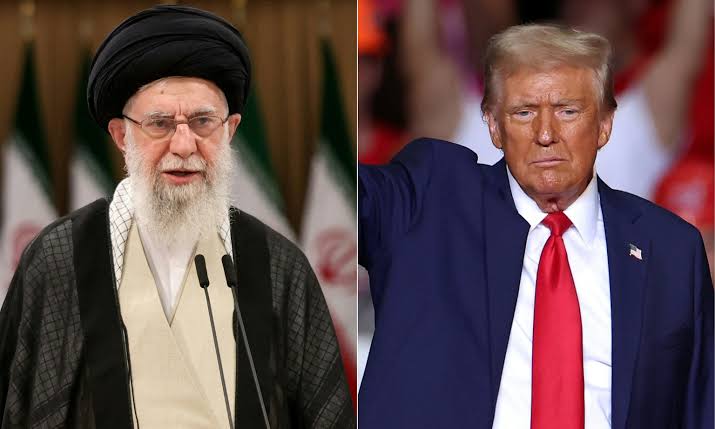
Running parallel to the developments in Lebanon is the continuing conflict involving Iran, which has now reached approximately two months of sustained escalation. President Trump has repeatedly suggested that this broader confrontation is approaching its conclusion, describing the situation as one where the opposing side has been significantly weakened and is increasingly open to negotiation.
In interviews with Fox News and Sky News, Trump stated that a resolution could be reached within days, possibly even before the anticipated visit of King Charles III to the White House later in April. While such timelines remain uncertain, they reflect the administration’s public confidence that diplomatic momentum is building.
The conflict itself has been marked by a combination of military operations, naval restrictions, and diplomatic interventions. One of the most consequential measures has been the enforcement of a naval blockade in the Strait of Hormuz, a vital global energy corridor through which a significant portion of the world’s oil supply passes. The blockade has been justified by US officials as a strategic pressure tool aimed at limiting Iranian operational capacity and forcing compliance with international demands.
At the same time, tensions remain extremely high. The US Navy continues to maintain a strong presence in the region, and President Trump has issued stark warnings that any attempt to challenge American naval forces will be met with overwhelming retaliation. These statements underscore the dual nature of the current situation, where diplomatic language is being used alongside military deterrence.
Read more on: APC Moves to Rein In Defectors as Atiku and Presidency Clash Over Jilli Airstrike
Military and Diplomatic Developments
Despite public rhetoric suggesting an end to hostilities, military activity in the region has not slowed significantly. Reports indicate that the Pentagon has authorized the deployment of an additional 10,000 troops to West Asia, a move that has raised questions about whether the situation is truly de escalating or entering a more concentrated phase of strategic pressure.
Some analysts have described this approach as “pressure cooker diplomacy,” suggesting that increased military presence is being used to strengthen negotiating leverage rather than prepare for continued combat. The idea is that overwhelming force, combined with diplomatic openings, could push parties toward accepting ceasefire conditions.
Meanwhile, diplomatic efforts are also taking place outside traditional Western channels. Pakistani Army Chief Field Marshal Asim Munir has reportedly arrived in Tehran to participate in mediation discussions aimed at preventing the collapse of a fragile truce that is set to expire next week. His involvement highlights the increasingly multi layered nature of the negotiations, where regional actors are playing significant roles alongside global powers.
Read more on: Akpabio Sets 2027 Timeline for Insecurity, Defends Tinubu, Reacts to U.S. Staff Reduction
Humanitarian Impact and Regional Strain
While diplomatic developments dominate headlines, the humanitarian situation on the ground continues to deteriorate. In Lebanon alone, estimates suggest that more than 1.2 million people have been displaced since the escalation of conflict began. This figure represents a substantial portion of the country’s population and reflects the scale of disruption caused by sustained military operations.
Recent incidents have further underscored the severity of the crisis. Just one day prior to the announcements, airstrikes in the village of Mayfadoun reportedly killed four rescue workers, highlighting the dangers faced by both civilians and emergency responders operating in conflict zones. These events serve as a reminder that despite diplomatic optimism in international capitals, the realities on the ground remain deeply unstable.
The economic impact of the conflict has also been significant. Global markets have reacted with sharp volatility, particularly in the energy sector. Oil prices have climbed back above 100 dollars per barrel as traders weigh the possibility of disrupted supply chains against hopes of a reopened Strait of Hormuz. Defense markets, which initially surged during the escalation of tensions, have also experienced fluctuations as investors respond to shifting expectations about the duration and intensity of the conflict.
A Fragile Moment of Possibility
The convergence of these events has created what some analysts describe as one of the most delicate diplomatic moments in recent years. On one hand, the announcement of direct Israel Lebanon talks represents a potential breakthrough in a conflict that has remained frozen for decades. On the other hand, ongoing military operations and unresolved tensions with Iran suggest that the region remains far from stability.
The success or failure of these initiatives may depend heavily on the coming days. If the planned conversation between Israel and Lebanon proceeds as scheduled, it could open the door to further negotiations and possibly a broader regional de escalation framework. However, opposition from internal political factions, particularly those aligned with Hezbollah, could complicate or even derail the process.
Similarly, the broader Iran related negotiations remain uncertain. While some officials express optimism about reaching a comprehensive agreement, others caution that deep mistrust and ongoing military activity could undermine progress at any stage.
Read more on: Atiku Accuses INEC of Undermining Democracy
Conclusion: Between Diplomacy and Uncertainty
As the situation continues to evolve, the Middle East finds itself at a critical crossroads. The combination of high level political engagement, active military operations, and intense international mediation has created a complex environment where both escalation and resolution remain possible outcomes.
President Trump’s framing of the moment as a potential “grand bargain” reflects an ambitious attempt to link multiple conflicts into a single diplomatic trajectory. Whether this strategy succeeds will depend on a wide range of factors, including political will, regional cooperation, and the ability of key actors to manage internal pressures.
For now, the world remains in a state of anticipation, watching closely as the next 48 hours unfold. The outcome of these talks and negotiations may determine whether this moment becomes remembered as the beginning of a new diplomatic era or another missed opportunity in a long and complicated regional history.
Read more on:
- Benin Republic Announces New President-Elect
- President Tinubu Signals Tougher Military Push Against Terror Groups
- Chibok Parents, Foundation Express Concern Over Fading Global Attention
- Pope Leo XIV Breaks Silence, Challenges Trump Over Foreign Policy Dispute
- Commanding Officer and Six Troops Killed in Borno