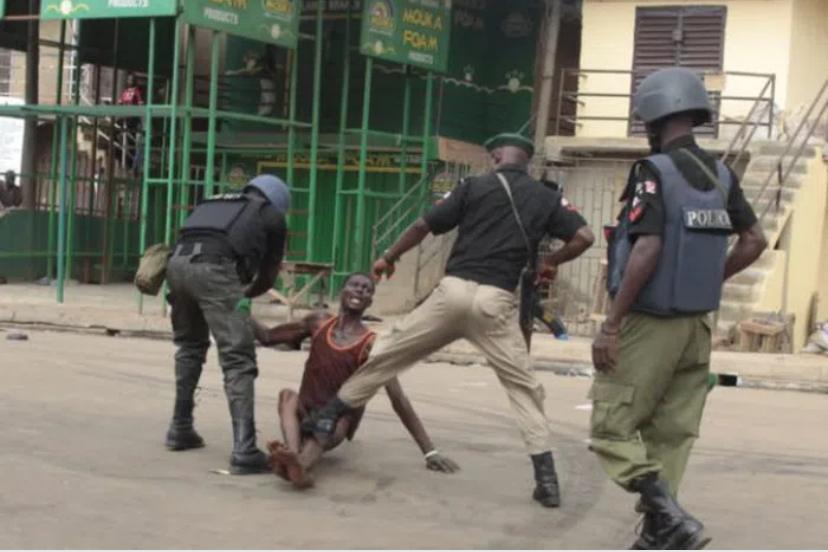
A fresh wave of anger, grief, and national concern has swept across Nigeria following yet another fatal incident involving police operatives, this time in Oyo State. The killing of a young civilian during a traffic operation in Ibadan has reignited intense debate about police conduct, accountability, and the recurring issue of excessive force. The incident comes only days after a widely circulated execution video from Delta State triggered public outrage and international attention, deepening concerns about what many now describe as a persistent crisis within Nigeria’s law enforcement system.
For many Nigerians, the back to back incidents have reopened painful memories of past abuses and raised difficult questions about whether meaningful reforms have truly taken place since the historic #EndSARS protests. What should have been routine enforcement operations have instead turned into national tragedies, leaving families shattered and communities demanding answers.
What Happened in Ibadan: A Routine Operation Turns Deadly
The latest incident occurred in Ibadan, the capital of Oyo State, during what authorities described as a joint traffic enforcement exercise involving personnel of the Oyo State Road Traffic Management Authority and officers of the Oyo State Police Command. The operation was reportedly aimed at curbing traffic violations and maintaining order on major roads within the city.
According to preliminary accounts, the situation escalated when officers attempted to stop a vehicle allegedly driving against traffic. The driver, identified as the father of the victim, was said to have attempted to flee the scene when confronted by enforcement officers. This triggered a high speed pursuit through a busy area of the city.
Tragically, during the chase, officers reportedly fired at the vehicle’s tires in an attempt to immobilize it. In the process, one of the bullets struck a 14 year old boy, Kehinde Alade, who was seated in the back seat of the car. He was critically injured and later confirmed dead.
The news of the young boy’s death quickly spread across Ibadan, sparking shock and anger among residents who struggled to comprehend how a traffic enforcement operation could result in the loss of a child’s life.
Read more on: Nigeria Launches Free Evacuation Flights as xenophobia Crisis Increase
Conflicting Accounts and Family’s Grief
Authorities have stated that the driver of the vehicle violated traffic rules and attempted to evade arrest, which they say necessitated the pursuit. However, the family of the deceased has strongly challenged this version of events.
The Alade family insists that the situation was mishandled from the beginning and that the use of live ammunition in a busy civilian environment was reckless and unjustifiable. They argue that Kehinde, who was only 14 years old, had no involvement in any alleged traffic violation and should never have been placed in harm’s way.
In a deeply emotional response, relatives of the victim have called for a transparent investigation and justice for their son. The family’s grief has resonated widely, with many Nigerians expressing sympathy and outrage across social media platforms.
Police Response and Internal Investigation
The Inspector General of Police, Kayode Egbetokun, has publicly condemned the incident and confirmed that the officer believed to have fired the fatal shot is currently in custody. According to official statements, a full investigation has been launched to determine exactly what happened and whether proper procedures were followed during the operation.
Authorities have described the incident as unfortunate and emphasized that the police force does not condone reckless use of firearms. However, such statements have done little to calm public anger, as many citizens continue to question why live ammunition was used during what began as a traffic enforcement operation.
The case is expected to be reviewed internally, with disciplinary measures likely depending on the outcome of the investigation. For now, the officer involved remains detained as authorities gather evidence and testimonies.
Read more on: UNICROSS Mourns Loss of Three Students and Staff in Tragic Highway Crash
Delta State Execution Video Sparks Fresh Trauma
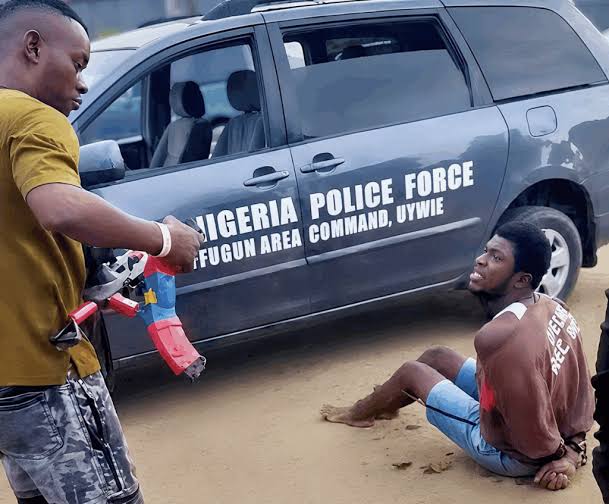
The Oyo tragedy has been overshadowed by another disturbing incident that occurred just days earlier in Delta State, where a viral video showed the execution of a young man identified as 28 year old Mene Ogidi.
The footage, which circulated widely on social media, shows Ogidi seated on the ground with his hands tied behind his back. In the video, he appears to plead for his life in Pidgin English while surrounded by armed officers. Despite his visible state of submission, one officer identified as Assistant Superintendent of Police Nuhu Usman is seen raising his weapon and shooting him at close range.
The video sparked immediate outrage both within Nigeria and internationally. Human rights organizations, civil society groups, and concerned citizens condemned the act, describing it as a blatant violation of due process and human dignity.
The Delta State Police Command later confirmed the incident and announced that the officer involved had been arrested and transferred to the Force Headquarters in Abuja for disciplinary proceedings. Officials stated that the act violated established police conduct guidelines and promised that justice would be pursued.
Read more on: Delta Police Officer Faces Murder Charge After Fatal Shooting of Suspect in Custody in Effurun
A Growing Pattern of Concern
While each incident is being treated individually by authorities, the frequency of such cases has raised broader concerns about systemic issues within the Nigerian Police Force. Human rights organizations have long warned about the dangers of excessive force, poor accountability structures, and inadequate training for officers in high pressure situations.
Earlier reports from Amnesty International Nigeria highlighted disturbing patterns within certain tactical units, including allegations of torture, extrajudicial killings, and abuse of detainees. One such report focused on a unit commonly referred to as Tiger Base in Imo State, where detainees were allegedly subjected to inhumane treatment and unlawful executions.
These reports have painted a troubling picture of repeated violations that, according to critics, suggest more than isolated incidents. Instead, they point to what some describe as a culture of impunity that has persisted despite repeated promises of reform.
Public Reaction and Renewed Anger
The combination of the Oyo shooting and the Delta execution video has reignited national anger, with many Nigerians taking to social media to express frustration and grief. Hashtags calling for justice and police reform have begun trending once again, echoing sentiments similar to those seen during the #EndSARS movement.
For many citizens, the incidents are a painful reminder that despite years of advocacy and protests, the core issues surrounding policing in Nigeria remain unresolved. The loss of a 14 year old child in Oyo has particularly intensified emotions, as many view it as a preventable tragedy that should never have occurred.
Civil society groups are now calling for independent investigations, stronger oversight of police operations, and urgent reforms to the use of force policies. There are also renewed demands for body cameras, improved training, and stricter accountability mechanisms to prevent similar incidents in the future.
Read more on: President Tinubu Embarks on France, Kenya, Rwanda Trip for Strategic Summits
Families Left Searching for Justice
At the center of both tragedies are grieving families who are now left to navigate the aftermath of sudden and violent loss. In Ibadan, the Alade family is mourning the death of a young boy whose life was cut short in circumstances they believe were avoidable. In Delta State, the relatives of Mene Ogidi are demanding answers after witnessing the final moments of their loved one’s life in a video that shocked the nation.
For both families, official statements and ongoing investigations offer little immediate comfort. Their calls for justice reflect a broader demand across society for meaningful consequences and lasting change.
Government and Police Position
Authorities at both state and federal levels have responded by pledging investigations and disciplinary action where necessary. The police leadership has reiterated its commitment to maintaining professionalism and ensuring that officers who violate operational guidelines are held accountable.
However, public confidence remains fragile. Many Nigerians are waiting to see whether these investigations will lead to transparent outcomes or follow a familiar pattern of delayed justice and limited consequences.
Read more on: Silence in Wike Camp as APC Stakeholders Present Fubara with Re-election Forms
A Nation at a Crossroads
The recent incidents have once again placed Nigeria at a critical moment in its ongoing struggle with police reform. The emotional weight of losing innocent lives, especially in circumstances involving state security agents, has intensified calls for urgent action.
Six years after nationwide protests demanded an end to police brutality, many citizens feel that the core issues remain unresolved. While arrests and investigations are frequently announced, the recurrence of similar tragedies continues to undermine public trust.
As the country processes these latest events, one question continues to dominate public discourse. Whether Nigeria’s policing system is truly evolving or whether the cycle of violence, investigation, and public outrage is simply repeating itself.
For now, families mourn, communities grieve, and a nation once again finds itself confronting difficult questions about justice, accountability, and the value of human life.
Read more on:
- INEC Sets June 20 for Bye-Elections Across Six States
- Atiku and Amaechi Meet David Mark as INEC Confirms ADC Leadership
- Oil Prices Surge to Four-Year High as Trump Weighs Military Action Against Iran
- Lagos 2027: Jandor Withdraws From APC Governorship Contest
- 2027 Elections: ADC and PDP Await Key Supreme Court Ruling Today